 on
on
Fiverr vs. the Field: 12 Actionable Tips to Find Platforms with Higher-Intent Prospects
Fiverr built its reputation on volume and variety, but many freelancers and agencies struggle to land clients who truly value their work and pay accordingly. The platform attracts bargain hunters alongside serious buyers, making it harder to filter for quality leads. If you want to connect with prospects who understand your value and come ready to invest, you need to know where to look and how to position yourself. This guide gives you practical, hands-on strategies for finding platforms that deliver clients with real buying intent, along with specific steps you can take today to start attracting better opportunities.
- Start with Legiit and Filter by Service Tier to Attract Serious Buyers
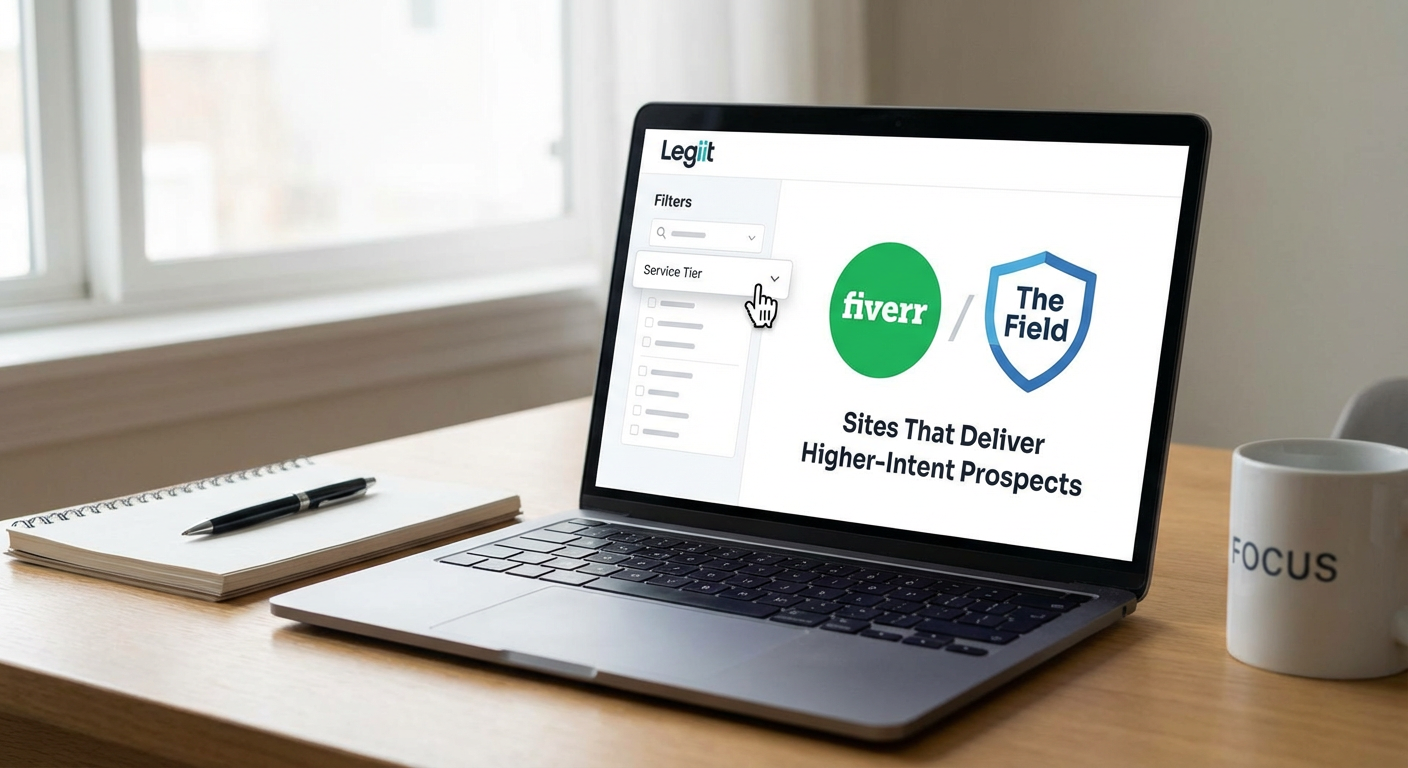
Legiit was built specifically for digital marketing and web services, which means the clients browsing the platform already understand the value of professional work. Unlike general marketplaces, Legiit lets you create multiple service tiers at different price points, so you can test what resonates with your ideal client.
Here’s how to use this to your advantage: create a basic tier that covers your costs, a mid-tier that reflects your actual value, and a premium tier that includes extras like priority support or faster delivery. This structure naturally filters out bargain hunters while giving serious buyers clear options. Update your service descriptions with specific outcomes rather than vague promises, and include examples of past results when possible. This approach helps you attract clients who care about results, not just the lowest price.
- Use Upwork’s Specialized Categories to Target Niche Buyers

Upwork has a massive user base, but you can narrow your focus by working within their specialized categories rather than competing in oversaturated general fields. Look for subcategories that match your specific skills, like SaaS marketing instead of general marketing, or React development instead of general web development.
Set up saved searches for jobs posted by clients with verified payment methods and a history of hiring. Filter for hourly rates or project budgets above your minimum threshold. When you apply, reference specific details from their job posting to show you actually read it, and include a brief case study or result from similar work. This targeted approach takes more time per application but dramatically increases your response rate from clients who have budget and intent.
- Position Yourself as an Expert on Toptal by Passing Their Vetting Process
Toptal screens both freelancers and clients, which means every project on the platform comes from a company willing to pay for quality. Getting accepted requires passing their technical screening and test project, but that barrier is exactly what keeps the client quality high.
If you’re serious about attracting higher-intent prospects, invest time in preparing for their vetting process. Review the technical areas they test for your field, update your skills in any weak areas, and practice explaining your work process clearly. Once accepted, you’ll have access to clients who have already committed to premium rates and understand the value of experienced professionals. The application process itself acts as your quality filter.
- Build a Portfolio Site That Pre-Qualifies Leads Before They Contact You
Your own website gives you complete control over how you present your work and what kind of clients reach out. Structure your portfolio to attract the right prospects by showing your pricing range upfront, featuring testimonials from past clients who paid well, and clearly stating what types of projects you take on.
Add a contact form that asks specific questions like budget range, project timeline, and what success looks like for them. This filters out tire kickers before they ever reach your inbox. Include case studies that walk through your process and the results you delivered, with actual numbers when possible. When prospects see that you work with clients who invest in quality, they either self-select out or come prepared to have a serious conversation about budget.
- Join We Work Remotely and Apply Only to Jobs with Detailed Descriptions
We Work Remotely focuses on full-time remote positions and contract work from established companies rather than one-off gigs. The quality of job postings varies, but you can spot high-intent employers by how much detail they include in their listings.
Look for posts that specify the exact skills needed, describe the team you’ll work with, explain their product or service clearly, and mention their hiring process. These signals indicate a company that has thought through what they need and is serious about finding the right person. Skip vague posts that ask for a wide range of unrelated skills or offer suspiciously high pay for simple work. Tailor each application to address the specific challenges mentioned in their posting, and you’ll stand out from generic responses.
- Network Strategically on LinkedIn by Engaging with Decision-Makers’ Content
LinkedIn becomes a lead generation tool when you use it to build relationships before pitching your services. Identify decision-makers at companies you want to work with, then spend 15 minutes daily commenting thoughtfully on their posts or sharing relevant insights.
Don’t pitch in comments or send cold sales messages immediately after connecting. Instead, add value first by sharing a relevant article, offering a perspective on something they posted about, or congratulating them on a company milestone. After several genuine interactions, they’ll recognize your name when you reach out about working together. This approach works because you’re building familiarity and trust before asking for anything, which dramatically increases response rates compared to cold outreach.
- Set Minimum Project Rates on Codementor or Clarity to Filter by Budget Automatically
Platforms like Codementor for developers or Clarity for consultants let you set your hourly rate upfront, which automatically filters out prospects who can’t afford your services. This saves you from wasting time on discovery calls with people who were never going to be a fit.
Set your rate at the minimum you’re willing to accept, not what you think will attract the most inquiries. Write a detailed profile that explains exactly what clients get during a session with you, whether that’s code review, strategic advice, or hands-on problem solving. Include your availability and response time expectations. When prospects book time knowing your rate upfront, they’re already committed to paying for expertise, which changes the entire dynamic of your conversation.
- Answer Questions in Your Niche on Reddit to Establish Authority Before Pitching
Subreddits related to your field are full of people asking questions that your services could solve. Instead of lurking or self-promoting, spend time giving genuinely helpful answers without mentioning your services at all.
Pick three to five subreddits where your ideal clients hang out. Set aside 20 minutes a few times per week to answer questions thoroughly. After you’ve built up a history of helpful contributions, add a simple line to your profile about what you do and how to reach you. When people check your history and see consistent, knowledgeable responses, some will reach out directly. This approach works because you’re demonstrating expertise rather than claiming it, and the prospects who contact you are already warmed up.
- Use Gun.io’s Matching System to Let Clients Come to You Based on Fit
Gun.io focuses on software development and takes a different approach than job boards. You create a detailed profile of your skills and preferences, and their team matches you with clients who need exactly what you offer.
The key to success here is being specific in your profile. Rather than listing every technology you’ve ever touched, focus on the stack you want to work with and the types of projects you do best. Mention deal-breakers upfront, like minimum engagement length or communication style preferences. This specificity helps their matching team connect you with clients where there’s real alignment, which means fewer mismatched conversations and more projects that actually move forward.
- Create a Referral System That Rewards Past Clients for Sending Qualified Leads
Your past clients already know the quality of your work and likely know others who could use your services. Make it easy for them to refer you by creating a simple referral program with clear incentives.
Send a brief email to past clients you enjoyed working with, thanking them again and mentioning that you’re taking on new projects. Offer a specific referral bonus, like a discount on future work or a small finder’s fee for successful referrals. Include a one-paragraph description they can forward to colleagues that explains what you do and who you work best with. Make sure to follow up quickly when referrals come in and keep the original client updated, which encourages them to send more. Referred clients typically have higher intent because they come with a trusted recommendation.
- Join Private Slack or Discord Communities Where Your Ideal Clients Gather
Many industries and interest groups have private communities where members share opportunities, ask for recommendations, and collaborate. These closed groups tend to have higher quality leads than public forums because membership is often vetted or paid.
Find communities related to your target clients’ industries rather than freelancer communities. For example, if you do design work for SaaS companies, join SaaS founder groups. Participate genuinely by answering questions and sharing insights without immediately pitching your services. When someone asks for a recommendation for your type of work, you can mention what you do naturally. The trust level in these communities is high, so leads that come from them tend to be more serious and better informed about what good work costs.
- Test Different Service Packages on Your Own Terms Using Gumroad or Similar Platforms
Selling productized services through platforms like Gumroad lets you test different offers and price points without competing on a crowded marketplace. You can create specific packages for common client needs and promote them directly to your audience.
Start by identifying the most common request you get from clients and turn it into a fixed-scope package with clear deliverables and a set price. Write a detailed sales page that explains exactly what’s included, the timeline, and what results clients can expect. Promote it through your network, social media, or content marketing. This approach attracts clients who want what you’re offering specifically, rather than browsing a marketplace comparing dozens of similar options. You control the entire experience and keep more of the revenue since you’re not paying marketplace fees.
Finding platforms with higher-intent prospects isn’t about abandoning Fiverr entirely. It’s about diversifying where you show up and how you position your services. The strategies in this guide work because they help you filter for quality before you invest time in conversations, whether that’s through platform vetting, pricing structure, or relationship building. Start by implementing one or two of these tactics this week, track which sources bring you the best clients, then double down on what works. The goal is to spend less time chasing low-quality leads and more time doing great work for clients who value what you bring to the table.