 on
on
Essential Tools That Help Bootstrapped Startups Thrive on a Tight Budget
Starting a business without outside funding means every dollar counts. You need tools that deliver real value without draining your bank account. This list focuses on practical solutions that bootstrapped founders actually use to build, grow, and manage their startups. Each tool here solves a specific problem that early-stage companies face, from getting work done to staying connected with customers. Whether you’re a solo founder or leading a small team, these resources can help you operate like a much larger company without the hefty price tag.
- Legiit

Finding reliable freelancers at reasonable prices can make or break a bootstrapped startup. Legiit connects you with vetted service providers who specialize in everything from content writing and graphic design to web development and digital marketing. The platform was built specifically for entrepreneurs who need quality work without the overhead of hiring full-time employees.
What sets Legiit apart is its focus on transparency and affordability. You can browse services with clear pricing, read detailed reviews from other business owners, and communicate directly with providers before committing. Many founders use Legiit to handle tasks outside their expertise, which lets them focus on what they do best while still moving their business forward. The marketplace model means you pay only for the work you need, when you need it.
- Wave Accounting
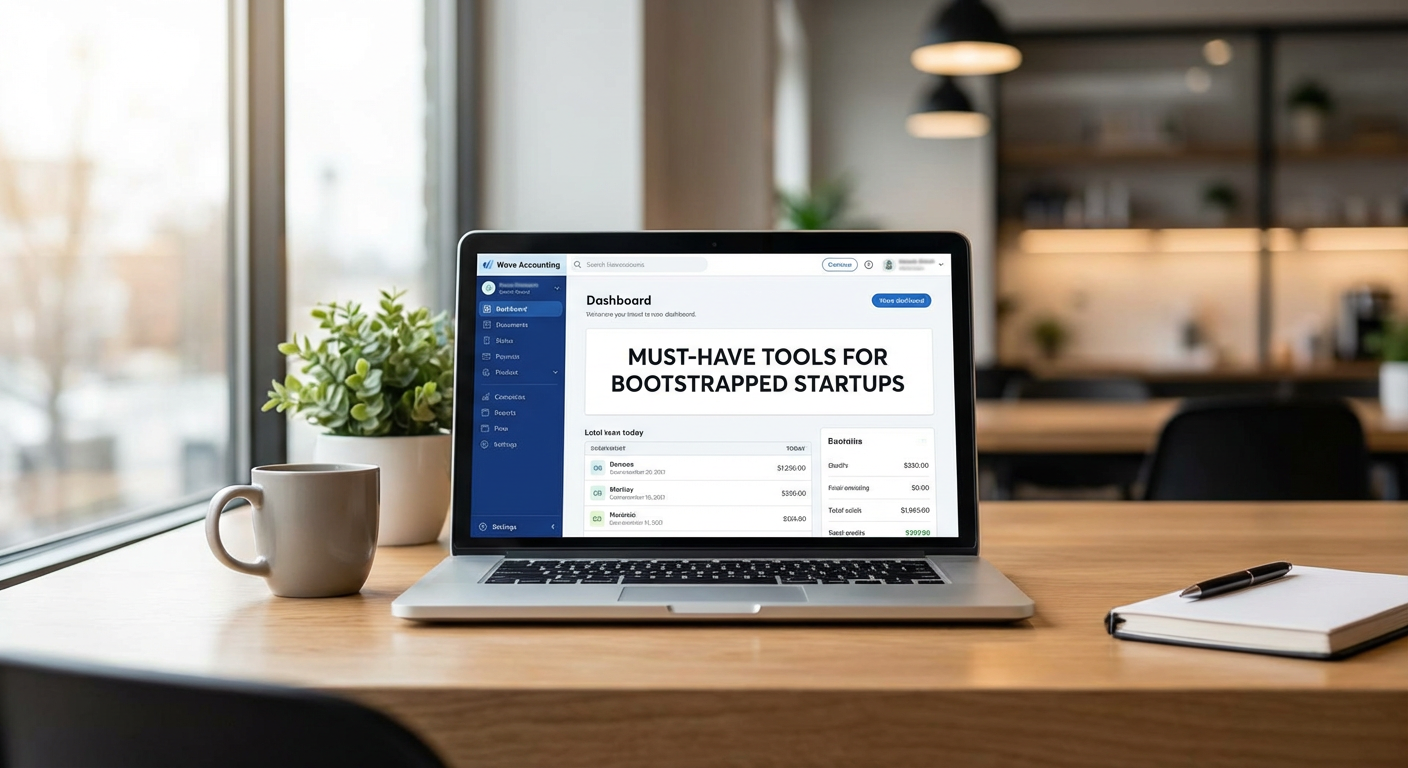
Keeping track of income and expenses is not glamorous, but it’s critical for any business. Wave offers completely free accounting software that handles invoicing, receipt scanning, and basic bookkeeping. For bootstrapped founders who can’t afford a full-time accountant or expensive software subscriptions, Wave provides a solid foundation.
The interface is straightforward enough for non-accountants to understand, yet powerful enough to generate the financial reports you’ll need at tax time. You can connect your bank accounts, categorize transactions, and send professional-looking invoices to clients. Wave makes money by offering optional paid services like payment processing and payroll, but the core accounting features remain free. This makes it perfect for startups in their earliest stages when cash flow is tight and every expense needs justification.
- Notion
Most startups need a central place to organize everything from product roadmaps to meeting notes. Notion combines documents, databases, wikis, and project management into one flexible workspace. The free tier is generous enough for small teams to build their entire operational hub without paying a cent.
You can create custom workflows that match how your team actually works, rather than forcing your processes into rigid templates. Many bootstrapped companies use Notion as their company wiki, task manager, and knowledge base all in one. The learning curve exists, but once you get the hang of it, Notion can replace several paid tools. This consolidation alone can save you hundreds of dollars per month in software subscriptions.
- Mailchimp
Email remains one of the most effective ways to reach customers, and Mailchimp’s free plan supports up to 500 contacts with 1,000 sends per month. For early-stage startups building their first audience, this is more than enough to get started. The platform includes templates, automation features, and basic analytics to help you understand what resonates with your subscribers.
As your list grows, you can upgrade to paid plans with more advanced features. But in the beginning, the free tier lets you establish good email habits without upfront costs. You can collect email addresses through embedded forms, send welcome sequences to new subscribers, and segment your audience based on their interests. Building an email list from day one gives you a direct line to potential customers that you own, unlike social media followers who exist on rented land.
- Calendly
The back-and-forth of scheduling meetings wastes time you don’t have as a founder. Calendly eliminates this friction by letting people book time with you based on your actual availability. You set your preferences once, share your link, and let the tool handle the coordination.
The free version supports one calendar connection and unlimited meetings, which covers the basics for most bootstrapped founders. Integration with video conferencing tools means your meeting links generate automatically. This small efficiency gain adds up when you’re talking to potential customers, partners, or advisors multiple times per week. Anything that removes administrative busywork from your plate is worth its weight in gold during the early startup days.
- Google Workspace
Email, document creation, cloud storage, and video calls all live under one roof with Google Workspace. While not free, the basic plan costs far less than cobbling together separate solutions for each need. You get professional email addresses with your domain name, which builds more credibility than using a generic Gmail account.
The collaboration features shine when you’re working with co-founders, contractors, or early employees. Multiple people can edit documents simultaneously, comment on presentations, and organize shared files without version control nightmares. The generous storage allowance means you won’t hit limits quickly as your company grows. For bootstrapped startups, having reliable infrastructure that just works lets you focus on building your product rather than troubleshooting technical issues.
- Loom
Sometimes typing out instructions or feedback takes longer than just showing someone what you mean. Loom lets you record quick videos of your screen with your face in a bubble, perfect for explaining concepts to team members or walking customers through your product. The free plan includes up to 25 videos, which resets monthly.
Bootstrapped founders use Loom to create product demos, answer customer support questions, and document processes. These videos live in the cloud with shareable links, making distribution simple. Recording a five-minute Loom often replaces a thirty-minute meeting, giving you time back for more important work. The asynchronous nature also respects everyone’s schedule, which matters when you’re working with contractors across different time zones.
- Stripe
If you’re selling anything online, you need a way to accept payments. Stripe handles credit card processing, subscription billing, and invoicing with a straightforward fee structure. There are no monthly charges, setup fees, or hidden costs. You pay only when you make a sale, which aligns perfectly with the bootstrapped mentality.
The platform includes tools for managing recurring revenue, handling refunds, and preventing fraud. Developer-friendly APIs mean you can customize the payment experience to match your brand. Many successful bootstrapped companies started with Stripe and never needed to switch because it scales well as transaction volume grows. Getting paid reliably is fundamental to any business, and Stripe makes it nearly effortless.
- Canva
Not every founder has design skills, but every startup needs decent-looking graphics. Canva provides templates and drag-and-drop tools for creating social media posts, presentations, logos, and marketing materials. The free version includes thousands of templates and design elements, which is plenty for most bootstrapped companies.
You can maintain visual consistency across your brand without hiring a designer for every small task. Need a quick Instagram post? Canva. Want to create a pitch deck? Canva. Looking for email header graphics? Also Canva. The time you save fumbling with complex design software translates directly into more time spent on revenue-generating activities. Plus, the results look professional enough that most people won’t realize you made them yourself.
- Zapier
Repetitive tasks drain your energy and waste time better spent on strategy. Zapier connects different apps and automates workflows between them without requiring any coding knowledge. When someone fills out a form, automatically add them to your email list and create a task in your project manager. When you receive a payment, automatically log it in your accounting software and send a thank-you email.
The free tier supports basic automations with limited monthly tasks, but even these simple connections save hours each week. As a bootstrapped founder, you’re probably wearing multiple hats already. Zapier acts like a virtual assistant handling the boring stuff in the background. The mental relief of knowing certain processes run automatically is almost as valuable as the time saved. You can focus on building your business instead of manually moving data between applications.
Bootstrapping a startup means being resourceful, not cheap. The right tools help you compete with better-funded competitors by amplifying your efforts and automating routine work. Each tool on this list solves a real problem that founders face daily, from managing finances to communicating with customers. Start with the free versions, learn what works for your specific situation, and upgrade only when the value clearly justifies the cost. The money you save on tools can go toward product development, marketing, or simply extending your runway. Build smart, spend wisely, and remember that constraints often lead to the most creative solutions.