 on
on
12 Beginner-Friendly Ways to Build a Niche Community That Pays (Without Ads)
Building a community that generates income without relying on ads might sound complicated, but it’s more accessible than you think. You don’t need a massive audience or advanced technical skills to get started. What you need is a clear focus, a willingness to help people solve real problems, and a few simple strategies to turn engagement into revenue. This guide walks you through twelve practical, beginner-friendly approaches that anyone can use to create a thriving, profitable community from scratch.
- Start with a Freelance Service Marketplace Like Legiit

Legiit offers an approachable platform where you can build a community around freelance services without needing to set up complicated payment systems or websites. You create a profile, offer services that match your skills, and connect with buyers who need exactly what you provide. The platform handles transactions, which removes the technical barriers that stop many beginners from getting started.
What makes this especially helpful for newcomers is that you can test different service offerings quickly and see what your audience actually wants to pay for. You can start with basic services and expand as you learn what resonates. The community aspect grows naturally as you deliver quality work, collect reviews, and build relationships with repeat clients who trust your expertise.
- Launch a Simple Membership Site with Monthly Subscriptions
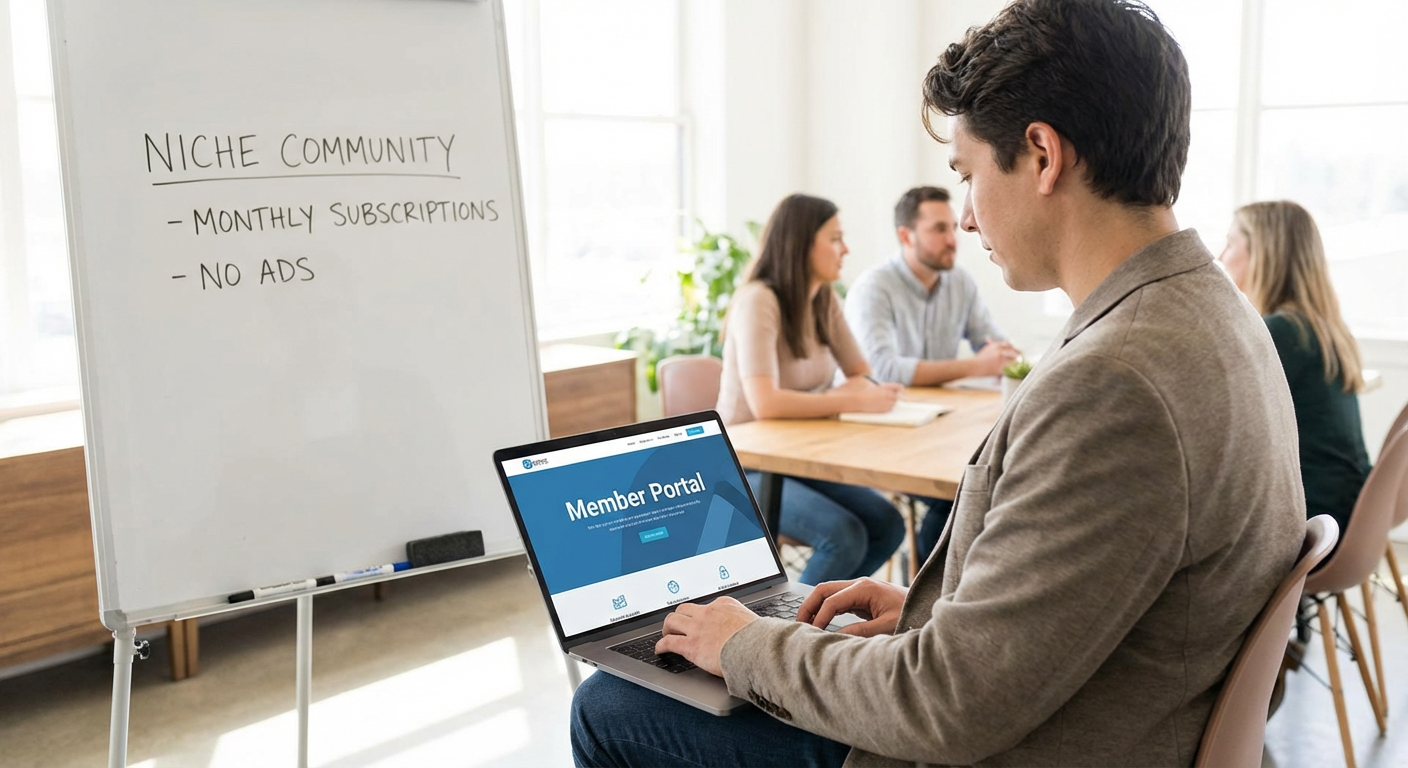
A membership site gives your community ongoing access to exclusive content, resources, or support in exchange for a monthly fee. Platforms like Patreon, Buy Me a Coffee, or Memberful make this incredibly simple to set up, even if you’ve never built a website before. You choose your pricing tiers, decide what members get at each level, and start inviting people to join.
The key for beginners is to start small with one or two membership levels and a manageable content schedule. You might offer a monthly Q&A session, access to templates or guides, or early access to your content. As you get comfortable, you can add more perks and higher tiers. The predictable income from subscriptions helps you plan and grow without the pressure of constantly chasing new sales.
- Create a Paid Newsletter That Solves Specific Problems
Email newsletters are one of the most beginner-friendly ways to monetize a community because the barrier to entry is so low. You can use platforms like Substack, ConvertKit, or Ghost that handle subscriptions, payments, and email delivery automatically. You write valuable content on a regular schedule, and subscribers pay for access to your insights, analysis, or curated information.
What works best is choosing a narrow topic where you can genuinely help people save time, make better decisions, or learn faster. A paid newsletter about freelance writing tips for healthcare professionals will perform better than a generic writing newsletter. Keep your writing conversational and focus on actionable advice. Most successful paid newsletters publish weekly or biweekly, which is manageable even with a full-time job.
- Sell Digital Products Your Community Actually Needs
Digital products like templates, checklists, worksheets, or guides are perfect for beginners because you create them once and sell them repeatedly. You don’t need inventory, shipping, or complicated logistics. Platforms like Gumroad, Lemon Squeezy, or Teachable let you upload your product and start selling within minutes.
The secret is listening to what your community asks about most often. If you run a gardening group and people constantly ask how to plan their vegetable gardens, create a simple garden planning template. If you’re in a productivity community, make a weekly planner that addresses common time management struggles. Start with one product, get feedback, improve it, and then consider creating more. Price your first product affordably to build momentum and collect testimonials.
- Host Paid Workshops or Live Training Sessions
Live workshops give your community a chance to learn directly from you in real time, which people will happily pay for. Tools like Zoom, Google Meet, or StreamYard make hosting simple, and you can collect payments through PayPal, Stripe, or even Eventbrite. A 90-minute workshop teaching a specific skill can generate meaningful income without requiring months of preparation.
Choose a topic you know well and that solves an immediate problem. A workshop on “Setting Up Your First Email Sequence” or “Photographing Products with Your Phone” gives participants a clear outcome they can achieve quickly. Keep your first few workshops small, around 10 to 20 people, so you can manage questions and build confidence. Record the sessions and you can later sell access to the recordings as another income stream.
- Build a Private Community with Exclusive Access
Private communities on platforms like Circle, Mighty Networks, or even a paid Discord server give members a space to connect with each other while you facilitate and provide value. People pay for access to the community itself, the expertise you share, and the connections they make with other members. These platforms handle payments and member management, so you can focus on engagement.
For beginners, the biggest advantage is that you don’t need to produce massive amounts of content. Your role is more about curating conversations, answering questions, and creating a welcoming environment. Start with a modest monthly fee and a clear promise about what members will gain, whether that’s peer support, weekly discussions, or access to resources. As the community grows and becomes more valuable, you can adjust pricing for new members.
- Offer One-on-One Coaching or Consulting Sessions
Coaching and consulting let you monetize your knowledge directly without needing a large audience. You can start offering sessions through a simple booking tool like Calendly combined with PayPal or Stripe for payment. Even with just a handful of clients each month, you can generate substantial income while building deep relationships within your niche.
The beauty of this approach for beginners is that you learn exactly what your community struggles with through these conversations, which informs everything else you create. Start by offering a single session package at a reasonable hourly rate. As you gain experience and testimonials, you can introduce package deals or premium offerings. Many successful community builders use coaching as their primary income source while their audience is still small.
- Create a Simple Online Course Teaching Your Core Skill
Online courses might sound intimidating, but they’re more accessible than ever for beginners. Platforms like Teachable, Thinkific, or Kajabi provide templates and step-by-step guidance to help you structure your content. You don’t need expensive equipment either. A decent microphone and screen recording software are enough to create a valuable course that people will buy.
Start with a mini-course that takes students through one specific process or skill in a few hours of content. This could be five to ten short video lessons with accompanying worksheets or resources. Focus on results rather than perfection. Your first course won’t be flawless, and that’s fine. Launch it, get feedback, improve it, and build from there. Price it between $50 and $200 depending on the value and transformation it provides.
- Run a Paid Challenge or Accountability Program
Challenges are time-limited programs where community members pay to participate in a structured activity with clear goals. A 30-day writing challenge, a fitness challenge, or a business-building sprint creates urgency and excitement. You can run these through email, a private Facebook group, or a community platform with minimal technical setup.
What makes challenges perfect for beginners is their short duration and clear structure. You create a simple daily or weekly framework, provide accountability and support, and celebrate wins along the way. Charge a modest fee, anywhere from $20 to $100 depending on what you’re offering and how much support you provide. After running a challenge successfully, you can repeat it regularly or turn the content into another product.
- Sell Physical Products Your Niche Community Values
Physical products work surprisingly well for niche communities, especially when they’re simple and closely aligned with your topic. Print-on-demand services like Printful or Printify let you sell t-shirts, mugs, stickers, or notebooks without holding inventory. You design the items, they handle production and shipping, and you earn the difference.
Alternatively, you can curate and sell products that your community needs. If you run a calligraphy community, sell starter kits with pens and practice sheets. If you focus on sustainable living, create a bundle of eco-friendly products you personally recommend. The key is keeping it simple and starting with one or two products that genuinely serve your audience. This approach works best when combined with other revenue streams rather than as your sole income source.
- Provide Done-for-You Services Based on Community Needs
Pay attention to the tasks your community members struggle with or find tedious, then offer to do those tasks for them as a service. If you’re in a podcasting community, offer editing services. If you serve small business owners, provide social media management or bookkeeping. This approach lets you monetize immediately without building elaborate systems.
The advantage for beginners is that you can start with just a few clients and scale at your own pace. You already understand your niche’s pain points, which makes marketing easier. Create simple service packages with clear deliverables and pricing. Use a basic contract template, accept payment upfront through PayPal or Stripe, and focus on delivering excellent results. Happy clients become your best marketing through word-of-mouth referrals.
- Host a Paid Mastermind Group for Serious Members
Mastermind groups bring together small numbers of committed people who meet regularly to support each other’s goals and growth. As the facilitator, you guide discussions, provide structure, and share your expertise while members also learn from each other. These groups typically meet monthly or biweekly via video call and command premium prices because of the personalized attention and peer connections.
For beginners, start with a single group of four to eight people and a clear focus on specific outcomes. A six-month mastermind for freelancers building their first six-figure business or for authors finishing their manuscripts gives everyone a shared goal. Charge enough to ensure members are committed, usually several hundred dollars per month. The combination of accountability, expert guidance, and peer support makes masterminds valuable enough that participants happily pay without any advertising involved.
Building a community that generates income without ads is completely achievable, even if you’re just starting out. The strategies in this guide require nothing more than a clear niche, genuine expertise, and the willingness to show up consistently for your people. Start with one or two approaches that feel natural to you, test them with your audience, and refine based on what works. Remember that the most successful communities grow from authentic relationships and real value, not from complicated funnels or marketing tricks. Pick one method, take action today, and build from there.