 on
on
10 Quick Ways to Increase Referrals in Your Freelancing Business Without Wasting Time
If you’re a freelancer, you already know that referrals are gold. They come with built-in trust, they close faster, and they often pay better than cold leads. But let’s be honest: most referral strategies take forever to implement or require constant attention you don’t have. The good news? You can build a referral engine that works without eating up your billable hours. This list focuses on practical, time-efficient methods that busy freelancers can put into action quickly. Whether you have five minutes or an afternoon, these strategies will help you get more referrals without turning it into a second job.
- Use Legiit to Tap Into a Built-In Referral Network

Legiit is a freelance marketplace that connects service providers with clients who need work done fast. What makes it valuable for referrals is that satisfied clients on the platform often come back for more services or recommend you to others in their network. By setting up a professional profile and delivering solid work, you create a referral loop without chasing down leads yourself.
The platform handles the initial trust-building, which saves you the time you’d normally spend on cold outreach or networking events. Clients can leave reviews that act as social proof, making it easier for new referrals to say yes. You focus on the work, and the platform helps facilitate the referrals. It’s a low-maintenance way to keep your pipeline full while you concentrate on delivering great results.
- Set Up an Automated Referral Request Email
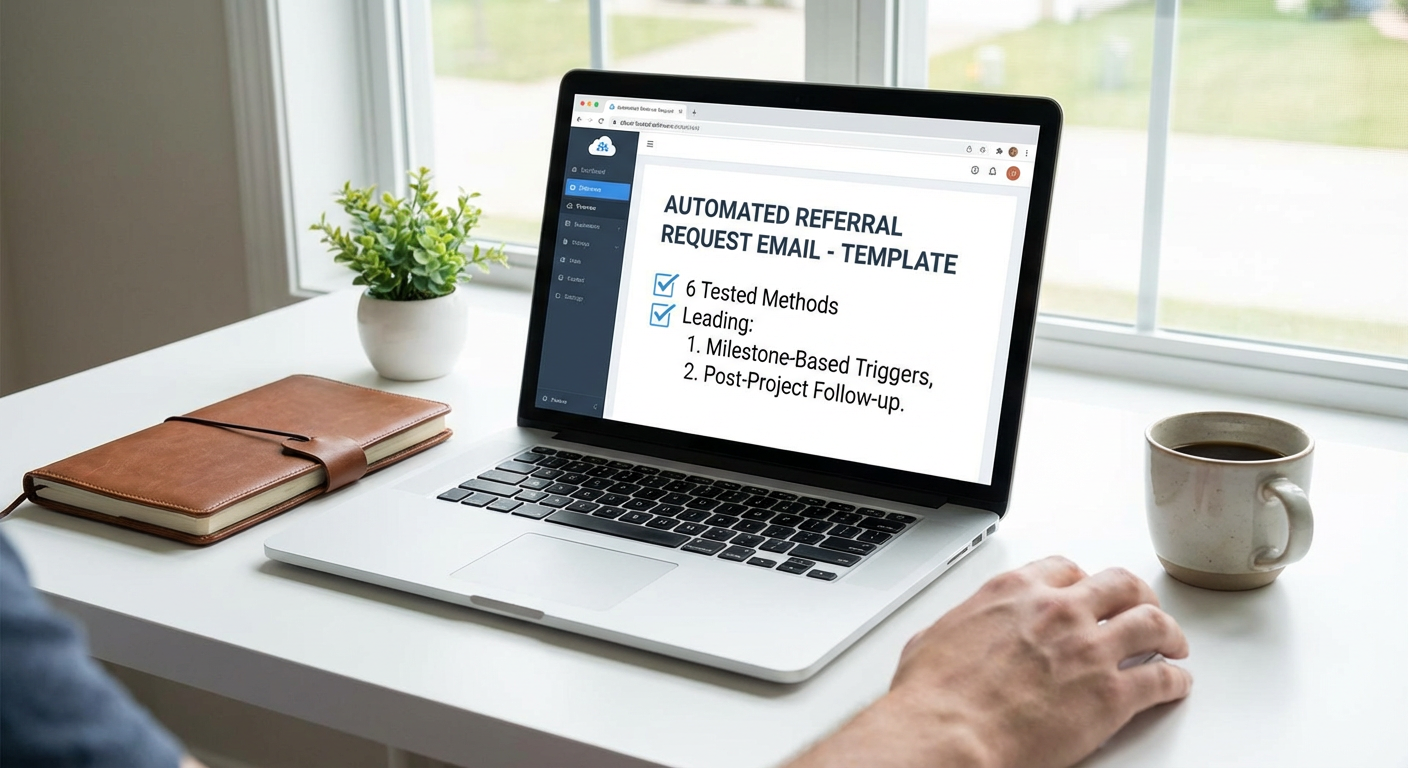
Most freelancers forget to ask for referrals because they’re busy moving on to the next project. An automated email solves this problem in minutes. Use your email marketing tool or CRM to create a simple message that goes out a week or two after project completion. Keep it short and specific: remind the client of the work you did, express your appreciation, and ask if they know anyone else who might benefit from your services.
This approach takes about 15 minutes to set up and then runs on autopilot. You’re not manually tracking every client or trying to remember who to follow up with. The system does it for you, which means you get referral requests out consistently without spending mental energy on it. Over time, this small automation can bring in a steady stream of new business.
- Create a One-Page Referral Guide Clients Can Share
When clients want to refer you, they often don’t know what to say or who to send your way. A one-page referral guide makes it easy for them. This document should briefly explain what you do, who you help, and what results you deliver. Include a few bullet points, a link to your portfolio or website, and your contact information.
You can create this in a Google Doc, a Canva template, or a simple PDF. It takes less than an hour to put together, and then you can send it to every happy client. They can forward it to their contacts without having to write anything from scratch. This removes friction and increases the chances they’ll actually follow through. The easier you make it for people to refer you, the more referrals you’ll get.
- Add a Referral Prompt to Your Invoice or Receipt
Your invoice is a natural touchpoint that every client sees. Adding a short referral prompt at the bottom takes seconds and costs you nothing. Write a simple line like, “Know someone who could use help with this? I’d love an introduction.” You can also include a small incentive, like a discount on their next project if they refer someone who becomes a client.
This method works because it catches clients at a moment when they’re thinking about the value you provided. They’ve just received your work, they’re satisfied enough to pay you, and now they see a gentle reminder to spread the word. You’re not adding extra steps to your workflow or spending time on follow-up. The prompt is already there, doing its job every time you send an invoice.
- Build a Simple Referral Incentive Program
Incentives work, but they don’t have to be complicated. A straightforward program might offer a percentage off the next project, a free add-on service, or a small gift card when a referral converts. The key is to keep the rules simple so clients understand it immediately and you can manage it without a spreadsheet nightmare.
Set it up once, mention it in your project wrap-up emails, and track referrals in a basic spreadsheet or CRM. You don’t need fancy software or a complex points system. Just a clear offer and a way to remember who referred whom. This takes minimal time to maintain and gives clients a tangible reason to think of you when their network needs help. People like being rewarded, and even a small incentive can tip the scales in your favor.
- Leverage LinkedIn Recommendations for Passive Referrals
LinkedIn recommendations are public, permanent, and searchable. When a client writes one for you, it serves as social proof that works around the clock. The time investment is small: after finishing a project, send a polite request asking if they’d be willing to write a short recommendation. Most clients will do it if they’re happy with your work, and it takes them just a few minutes.
These recommendations live on your profile and get seen by anyone who checks you out, including potential referrals from your clients’ networks. You’re not spending time on follow-up calls or coffee meetings. The recommendation does the selling for you while you sleep. Over time, a profile full of strong recommendations becomes a referral magnet that requires zero ongoing effort.
- Use a Templated Thank-You Note with a Referral Ask
Gratitude goes a long way, and a thank-you note is a perfect place to slip in a referral request. Create a template that you personalize slightly for each client. Thank them for their business, mention something specific about the project, and then add a sentence asking if they know anyone else who might need similar help.
This takes about two minutes per client and feels personal without requiring you to start from scratch every time. You can send it as an email, a handwritten card, or even a quick message on LinkedIn. The combination of appreciation and a soft ask makes clients more likely to think of you when referral opportunities come up. It’s a small habit that compounds over time.
- Join One High-Quality Referral Group and Show Up Consistently
Referral groups can be time sinks if you’re not careful, but the right one can pay off fast. Look for a group that meets weekly or biweekly, has clear structures, and includes professionals who serve the same target market but aren’t direct competitors. Commit to one group instead of spreading yourself thin across multiple networks.
The efficiency comes from focus. You show up, give your pitch, listen for opportunities, and leave. You’re not spending hours at random networking events hoping to meet someone useful. A good referral group is targeted and predictable, which means you can block the time, get value, and move on with your week. If the group isn’t producing referrals after a few months, drop it and try another. Your time is too valuable to waste on networks that don’t deliver.
- Offer a Quick Win Service That Clients Can Easily Refer
People refer services they understand and that solve clear problems. If your offerings are too complex or take too long to explain, clients won’t bother. Create a simple, fast-turnaround service that delivers obvious value. This could be a website audit, a logo refresh, a one-hour consulting call, or a content package.
When clients can say, “You should talk to her, she does website audits in 48 hours,” the referral practically makes itself. The service is easy to describe, the benefit is clear, and the commitment is low. This reduces the friction for both the person making the referral and the person receiving it. You get more referrals because you’ve made the process simple and fast for everyone involved.
- Track Referrals in a Simple Spreadsheet to Spot Patterns
You can’t improve what you don’t measure, but tracking doesn’t have to be complicated. Set up a basic spreadsheet with columns for the client’s name, the referral’s name, the date, and the outcome. Spend two minutes updating it whenever you get a referral. Over time, you’ll start to see patterns: which clients refer the most, which services get referred most often, and which referral sources convert best.
This data helps you double down on what works without wasting time on strategies that don’t. Maybe you realize that clients from a certain industry refer more often, so you focus your marketing there. Or you notice that a particular service gets referred constantly, so you promote it more. The spreadsheet takes almost no time to maintain, but it gives you clarity that saves hours of guesswork. You’ll know exactly where to focus your referral efforts for maximum return.
Building a referral system doesn’t have to take over your calendar. The strategies in this list are designed to fit into the margins of your freelance business without stealing time from paid work. Set up a few of these methods, let them run in the background, and watch as referrals start coming in more consistently. The best part? Once these systems are in place, they keep working for you with minimal maintenance. Start with one or two that feel easiest to implement, and build from there. Your future self will thank you when quality clients start showing up without you having to chase them down.