 on
on
9 Analytics Dashboards That Make Tracking Marketing KPIs Actually Manageable
If you’ve ever felt overwhelmed by spreadsheets full of marketing data, you’re not alone. The right analytics dashboard can transform how you monitor performance, turning scattered metrics into clear insights that actually help you make better decisions. This list walks through nine practical dashboard options that help marketers track what matters, from website traffic to conversion rates, without needing a data science degree to understand them.
- Legiit

Legiit offers a straightforward analytics dashboard that helps digital marketers and agencies track their service performance, client engagement, and revenue metrics in one place. The platform is built for people who sell marketing services, so the dashboard focuses on the KPIs that matter most to service providers like completion rates, client satisfaction scores, and revenue trends. You can see which services perform best, monitor your profile views and conversion rates, and track how your business grows over time. The interface is clean and accessible, making it easy to spot patterns without getting lost in unnecessary complexity. For freelancers and agencies managing multiple client projects, having these metrics consolidated saves hours of manual tracking and helps you understand which offerings deserve more attention.
- Zoho Analytics
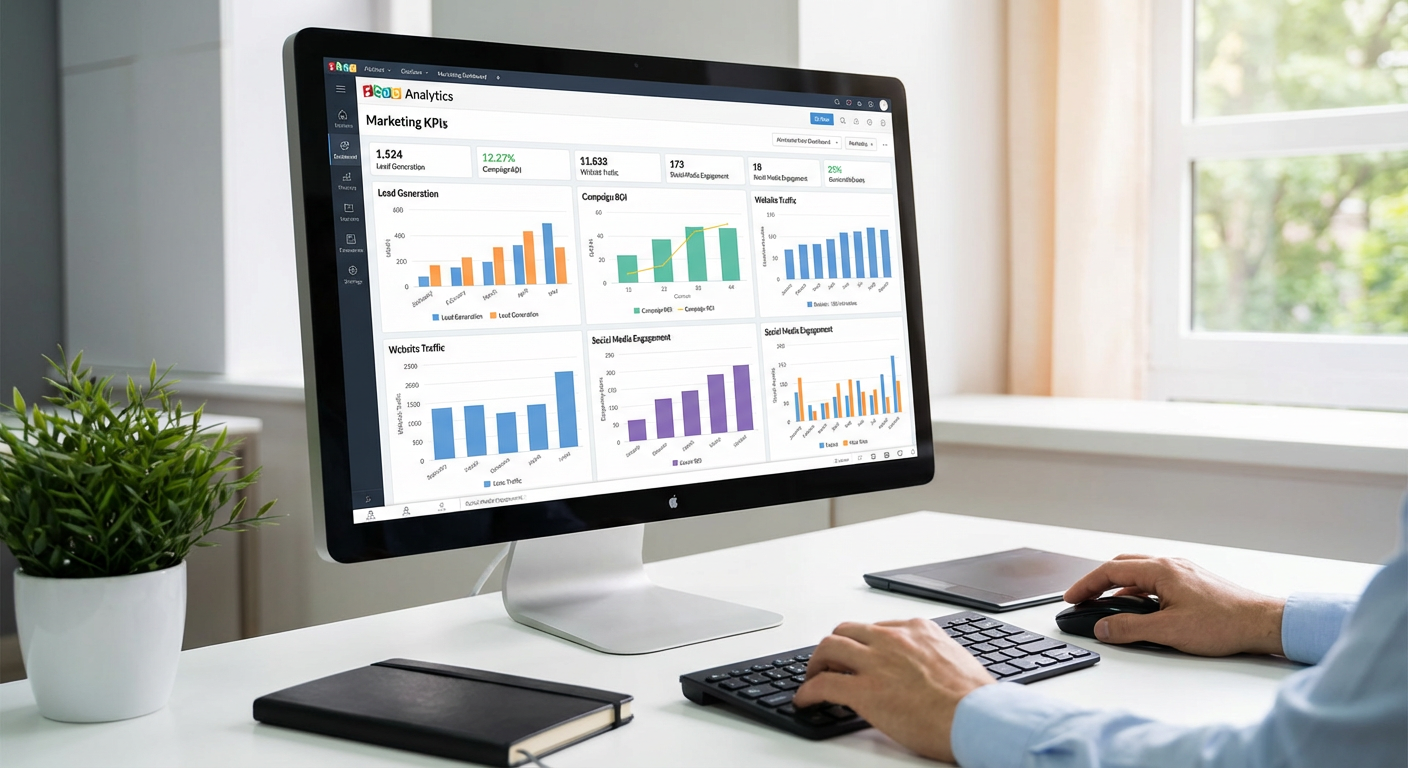
Zoho Analytics deserves attention for its flexibility and affordability, especially for small to mid-sized marketing teams. The platform lets you pull data from dozens of sources, including email marketing tools, social media platforms, and advertising accounts, then organize everything into custom dashboards that match your specific needs. What makes it stand out is the balance between power and usability. You can create complex reports with calculated fields and forecasting models, but you can also build a simple dashboard in minutes using pre-built templates. The collaboration features work well for teams that need to share insights with clients or executives who don’t want to log into multiple platforms just to see how campaigns are performing.
- Klipfolio
Klipfolio takes a different approach by focusing on real-time data visualization that you can customize down to the smallest detail. This dashboard platform connects to over 130 data sources and lets you build exactly the view you need without forcing you into rigid templates. Marketing teams that track multiple channels simultaneously appreciate how Klipfolio handles live data updates, so you can monitor campaign performance as it happens rather than waiting for daily reports. The learning curve is steeper than some alternatives, but the payoff comes when you need dashboards that reflect your specific KPIs and business logic. The mobile app also works well for checking key metrics when you’re away from your desk.
- Supermetrics
Supermetrics isn’t technically a dashboard itself, but it solves one of the biggest headaches in marketing analytics by automatically pulling data from advertising platforms, social media, and analytics tools into the reporting environment you already use. Many marketers combine Supermetrics with Google Sheets, Data Studio, or Excel to create custom dashboards that update automatically. This approach works particularly well if your team already has reporting templates they like or if you need to share data with stakeholders who prefer familiar spreadsheet formats. The automation saves countless hours that would otherwise go toward copying and pasting metrics from different platforms, and the data refresh schedules mean your dashboards stay current without manual intervention.
- Mixpanel
Mixpanel focuses specifically on product analytics and user behavior, making it valuable for marketers who need to understand what happens after someone clicks through from a campaign. The dashboard shows how users move through your website or app, which features they engage with, and where they drop off in conversion funnels. This level of detail helps you connect marketing efforts to actual user behavior rather than just counting clicks and impressions. The cohort analysis features let you compare how different audience segments behave over time, which is incredibly useful for understanding the long-term value of various marketing channels. If your marketing strategy depends on understanding the customer experience beyond the initial conversion, Mixpanel provides insights that most advertising dashboards miss entirely.
- Improvado
Improvado targets enterprise marketing teams that manage large budgets across many platforms and need serious data consolidation. The platform automatically extracts, transforms, and loads marketing data from hundreds of sources into a centralized warehouse, then connects to visualization tools like Tableau or Looker for dashboard creation. What sets Improvado apart is how it handles data normalization, meaning metrics from different platforms get standardized so you can actually compare them meaningfully. This matters when you’re trying to evaluate performance across Google Ads, Facebook, LinkedIn, and a dozen other channels that all measure things slightly differently. The price point reflects the enterprise focus, but for organizations drowning in marketing data from multiple sources, the time savings and data accuracy improvements justify the investment.
- Whatagraph
Whatagraph simplifies reporting for agencies and in-house teams that need to create client-facing dashboards quickly. The platform emphasizes visual appeal and ease of understanding, which matters when you’re presenting performance data to clients who care about results but not about the technical details. You can connect major marketing platforms with a few clicks, then drag and drop widgets to build dashboards that automatically update with fresh data. The white-label options let agencies brand reports with their own logos and colors, creating a more cohesive client experience. Whatagraph also includes automated report scheduling, so you can set up weekly or monthly performance summaries that get delivered to stakeholders without you having to remember to send them manually.
- Tableau
Tableau has earned its reputation as one of the most powerful data visualization tools available, though it requires more technical skill than some marketing-specific options. The platform excels at handling large datasets and creating interactive dashboards that let users explore data in multiple dimensions. Marketing teams with access to data analysts or technically inclined marketers can build incredibly detailed dashboards that combine marketing metrics with sales data, customer information, and financial performance. The visual grammar of Tableau supports complex storytelling with data, helping you communicate not just what happened but why it matters. The public version offers a free entry point for individuals willing to share their dashboards publicly, while the full platform serves enterprise needs with extensive security and collaboration features.
- AgencyAnalytics
AgencyAnalytics is purpose-built for marketing agencies that manage multiple clients and need separate dashboards for each account. The platform includes integrations with most major marketing tools and emphasizes speed of setup, so you can get a new client dashboard running in minutes rather than hours. Each dashboard can be customized with the specific metrics that matter to that client, and the automated reporting features handle the monthly performance summaries that clients expect. The staff account system lets you give team members appropriate access levels, which helps when you have account managers who need to view dashboards but not edit them. For agencies tired of manually compiling client reports from different sources, AgencyAnalytics handles the busy work so you can focus on analysis and strategy instead of data collection.
Choosing the right analytics dashboard depends on your specific situation: the size of your team, the complexity of your marketing efforts, and how technically inclined your users are. Some of these tools work best for agencies managing multiple clients, while others shine for in-house teams focused on deep analysis of customer behavior. The good news is that most platforms offer free trials, so you can test a few options with your actual data before committing. Start with the dashboards that connect to the tools you already use, focus on the three to five KPIs that truly drive your business, and resist the temptation to track everything just because you can. A simpler dashboard that you actually check regularly will always beat a complex one that sits ignored.