 on
on
20 Digital Marketing Resources for Business Growth That Save You Time and Money
Growing a business online requires the right tools, knowledge, and support. Whether you’re just starting out or looking to scale your operations, having access to quality digital marketing resources can make all the difference. This list focuses on practical resources that help you save time, reduce costs, and get real results. From hiring experts to learning new skills, these options cover the essential areas every business owner needs to succeed in digital marketing.
- Legiit
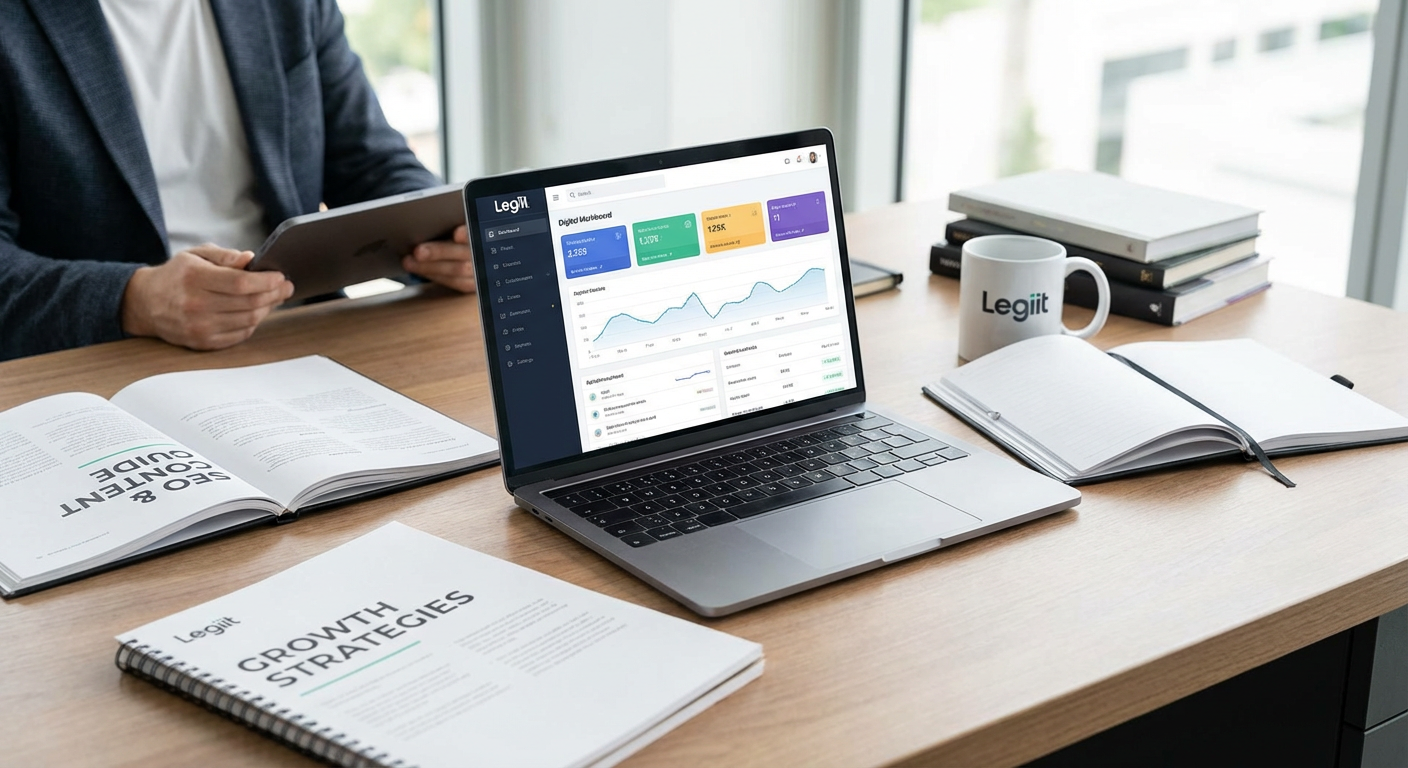
Legiit is a freelance marketplace built specifically for digital marketing services. Unlike general freelancing platforms, Legiit focuses entirely on marketing tasks like SEO, content writing, social media management, and paid advertising. This specialization means you can find experts who understand your exact needs without sorting through hundreds of unrelated profiles.
The platform offers fixed-price services, which helps you budget accurately and avoid surprise costs. You can browse portfolios, read reviews from other business owners, and hire someone within minutes. For small businesses that need reliable marketing help without the overhead of a full-time employee, Legiit provides a straightforward solution that connects you directly with experienced professionals.
- Google Analytics

Understanding your website traffic is fundamental to smart marketing decisions. Google Analytics gives you detailed information about who visits your site, how they found you, which pages they view, and where they leave. This free tool helps you identify what’s working and what needs improvement.
The data you collect shows patterns in customer behavior that guide everything from content creation to ad spending. You can see which marketing channels bring the most valuable visitors and adjust your strategy accordingly. Setting up Google Analytics takes about 15 minutes, and the insights you gain will inform better decisions for years to come.
- Canva
Visual content drives engagement across every digital channel, but hiring a designer for every image gets expensive fast. Canva solves this problem with templates and tools that let non-designers create professional graphics. The drag-and-drop interface is simple enough for anyone to use, yet powerful enough to produce quality results.
You can create social media posts, infographics, presentations, and even video content without learning complex software. The free version includes thousands of templates and images, while the paid version adds brand kit features that keep your visuals consistent. For businesses that need regular visual content, Canva dramatically reduces both time and cost.
- Mailchimp
Email marketing consistently delivers one of the highest returns on investment in digital marketing. Mailchimp makes it accessible for businesses of any size with a free tier that covers basic needs and affordable paid plans as you grow. The platform handles list management, campaign creation, and performance tracking in one place.
Automation features let you send welcome sequences, abandoned cart reminders, and follow-up messages without manual work. Templates help you design emails that look good on any device, and detailed analytics show which messages drive the most engagement. Building an email list and maintaining regular contact with customers becomes manageable rather than overwhelming.
- HubSpot Academy
Free education from a company that understands marketing provides tremendous value. HubSpot Academy offers certification courses on content marketing, social media, email marketing, and more. The courses are well-structured, taught by experienced marketers, and include practical exercises.
Completing these certifications gives you both knowledge and credentials that build credibility. The content is updated regularly to reflect current best practices, and you can learn at your own pace. For business owners who want to understand marketing strategy before delegating it, or for team members who need training, HubSpot Academy delivers professional education at no cost.
- Ahrefs Webmaster Tools
SEO can seem mysterious, but having the right data makes it manageable. Ahrefs Webmaster Tools provides a free way to audit your website for technical issues, track your rankings, and see which sites link to yours. Understanding these factors helps you improve your visibility in search results.
The tool identifies specific problems like broken links, slow pages, and missing metadata that you can fix to improve performance. You also get insights into which keywords already bring you traffic and where opportunities exist to rank higher. While the full Ahrefs suite is expensive, the free webmaster tools give small businesses access to essential SEO data.
- Buffer
Managing multiple social media accounts becomes chaotic without a scheduling system. Buffer lets you plan and publish posts across platforms from a single dashboard, saving hours each week. You can prepare content in batches when you have time, then let it publish automatically at optimal times.
The analytics features show which posts perform best, helping you refine your content strategy. The free plan covers basic needs for small businesses, while paid plans add team collaboration and more accounts. Consistency matters on social media, and Buffer makes it realistic to maintain a regular presence without it taking over your day.
- Google Search Console
This free tool from Google shows you exactly how your site appears in search results and alerts you to problems that could hurt your rankings. You can see which queries bring visitors to your site, how often you appear in results, and your average position for different keywords.
Search Console also identifies technical issues like crawl errors, mobile usability problems, and security concerns. Fixing these issues improves your chances of ranking well. The data complements Google Analytics by focusing specifically on search performance, giving you a complete picture of how people find your site.
- Coursera
Universities and companies offer digital marketing courses through Coursera that rival what you’d pay thousands for in a traditional program. Many courses are free to audit, and paid certificates are much cheaper than degree programs. Topics range from basic marketing principles to advanced analytics and strategy.
The structured learning path with assignments and deadlines helps you actually complete the courses rather than just watching videos. Instructors are typically professors or industry leaders with real expertise. For business owners who want deep knowledge in specific areas like social media advertising or content strategy, Coursera provides legitimate education at a fraction of traditional costs.
- Answer the Public
Creating content that people actually search for requires understanding what questions they ask. Answer the Public visualizes search queries related to any topic, showing you exactly what people want to know. This free tool helps you generate content ideas that match real search intent.
You can see questions organized by who, what, when, where, why, and how, plus related prepositions and comparisons. This information guides blog posts, FAQ sections, video topics, and product descriptions. Instead of guessing what might interest your audience, you can create content based on actual search behavior.
- Grammarly
Poor writing damages your credibility and reduces conversions. Grammarly checks your writing for grammar mistakes, unclear phrasing, and tone issues in real time. The free version catches most errors, while the paid version offers style suggestions and advanced checks.
The tool works across email, social media, and content management systems, catching mistakes before they go public. For businesses that produce written content regularly but don’t have a dedicated editor, Grammarly acts as a reliable proofreader. Clear, error-free communication builds trust and professionalism across all your marketing channels.
- Google My Business
Local businesses need visibility in local search results and Google Maps. Google My Business is a free tool that manages how your business appears across Google services. Keeping your profile updated with accurate hours, photos, and information helps customers find and choose you.
Customer reviews appear on your profile, and responding to them shows you care about feedback. You can post updates, special offers, and events directly to your listing. The insights show how people find your business and what actions they take. For any business with a physical location or service area, maintaining an optimized Google My Business profile is essential for local visibility.
- Ubersuggest
Keyword research guides content creation and SEO strategy, but many tools cost hundreds per month. Ubersuggest offers a free version that provides keyword ideas, search volume data, and competition analysis. You can see what keywords competitors rank for and identify gaps in your own content.
The tool also includes site audit features and backlink data, giving you multiple perspectives on your SEO health. While it doesn’t have every feature of premium tools, it provides enough information for small businesses to make informed decisions. The paid version is also considerably cheaper than alternatives if you need more data.
- YouTube
Beyond being a platform to publish video content, YouTube serves as an enormous library of free marketing education. Thousands of experienced marketers share tutorials, case studies, and strategies at no cost. You can learn specific tactics like Facebook ad targeting or broader concepts like content marketing strategy.
The quality varies, but channels run by established marketers often provide information as valuable as paid courses. You can stay current with changes in platforms and best practices by following channels that cover your areas of interest. The time investment is minimal compared to the knowledge you gain, making YouTube one of the best free education resources available.
- Facebook Business Suite
Managing Facebook and Instagram business accounts becomes simpler with Facebook Business Suite. This free tool combines both platforms in one interface where you can schedule posts, respond to messages, and review performance data. The unified inbox means you won’t miss customer inquiries across platforms.
Ad management features let you create and monitor campaigns without switching between tools. You can see which content resonates with your audience and adjust your strategy based on real data. For businesses that use Facebook and Instagram as primary marketing channels, Business Suite streamlines daily management and reduces the time spent on routine tasks.
- Moz Academy
SEO education from one of the industry’s most respected companies helps you build a solid foundation. Moz Academy offers courses on keyword research, link building, technical SEO, and local search. The teaching style breaks down complex topics into understandable concepts with practical applications.
While some courses require payment, many resources are free, including their blog and beginner guides. The community forums provide a place to ask questions and learn from other marketers facing similar challenges. For businesses that want to handle their own SEO or understand what agencies are doing on their behalf, Moz Academy provides trusted education.
- Hootsuite
Social media management at scale requires planning and organization. Hootsuite allows you to manage multiple social accounts, schedule posts, and track mentions and keywords across platforms. The dashboard view gives you a complete picture of your social presence in one place.
Team features make it easy to collaborate on content and assign tasks without confusion. Analytics help you understand what content drives engagement and which platforms deliver the best results. The free plan covers basic needs, while paid plans add more accounts and advanced features. For businesses serious about social media, Hootsuite provides structure and efficiency.
- Google Trends
Timing matters in content creation and product launches. Google Trends shows you how search interest in topics changes over time and varies by location. This free tool helps you identify rising trends before they peak and avoid investing in declining topics.
You can compare multiple search terms to see which generates more interest and explore related queries that might present opportunities. The data informs content calendars, product development, and campaign timing. Understanding search trends helps you align your marketing with what people actually care about right now, rather than what interested them months ago.
- LinkedIn Learning
Professional development courses covering digital marketing topics provide structured learning from industry experts. LinkedIn Learning offers thousands of courses on social media marketing, content strategy, analytics, and more. The production quality is high, and courses are taught by practitioners with real experience.
Many libraries offer free access to LinkedIn Learning with a library card, making professional education accessible without cost. Courses include exercise files and quizzes to reinforce learning. For business owners and marketers who want to deepen their skills in specific areas, LinkedIn Learning provides organized, high-quality education that fits into busy schedules.
- Hotjar
Understanding what visitors actually do on your website reveals opportunities that data alone can’t show. Hotjar provides heatmaps that show where people click, scroll, and spend time on your pages. Watching session recordings lets you see real user behavior and identify friction points that cause people to leave.
Feedback tools let you ask visitors directly about their experience, giving you qualitative data to complement your analytics. The free plan covers basic needs for small sites, while paid plans add more features and capacity. Seeing your site through visitor eyes helps you make improvements that increase conversions and reduce frustration.
Building a successful digital marketing strategy doesn’t require an unlimited budget or a large team. These resources give you access to professional tools, education, and expertise at little to no cost. Start with the basics like analytics and email marketing, then expand into areas that match your business goals. The key is choosing resources that solve real problems for your business rather than collecting tools you’ll never use. With the right combination of learning and execution, you can grow your business through digital marketing without breaking the bank.