 on
on
20 Beginner-Friendly Types of Content Writing Services You Can Start Offering Today
If you’re new to content writing and wondering where to start, you’re in the right place. The world of freelance writing offers dozens of service types, but not all are equally easy to learn. Some require years of experience or technical knowledge, while others welcome beginners with open arms. This list focuses on content writing services that have gentle learning curves, clear guidelines, and plenty of resources to help you get started. Whether you’re looking to build your first portfolio or add accessible services to your offerings, these 20 options will help you launch your writing career with confidence.
- Legiit Marketplace Services

Starting on a platform like Legiit gives beginners a ready-made marketplace where clients are already looking for writers. You don’t need to worry about building a website or finding your first clients because the platform handles that part for you. Legiit lets you create service listings for various content types, set your own prices, and build credibility through reviews. The structure helps new writers understand what clients want and how to package their services professionally. It’s one of the easiest ways to start earning while you learn the ropes of freelance writing.
- Blog Posts and Articles
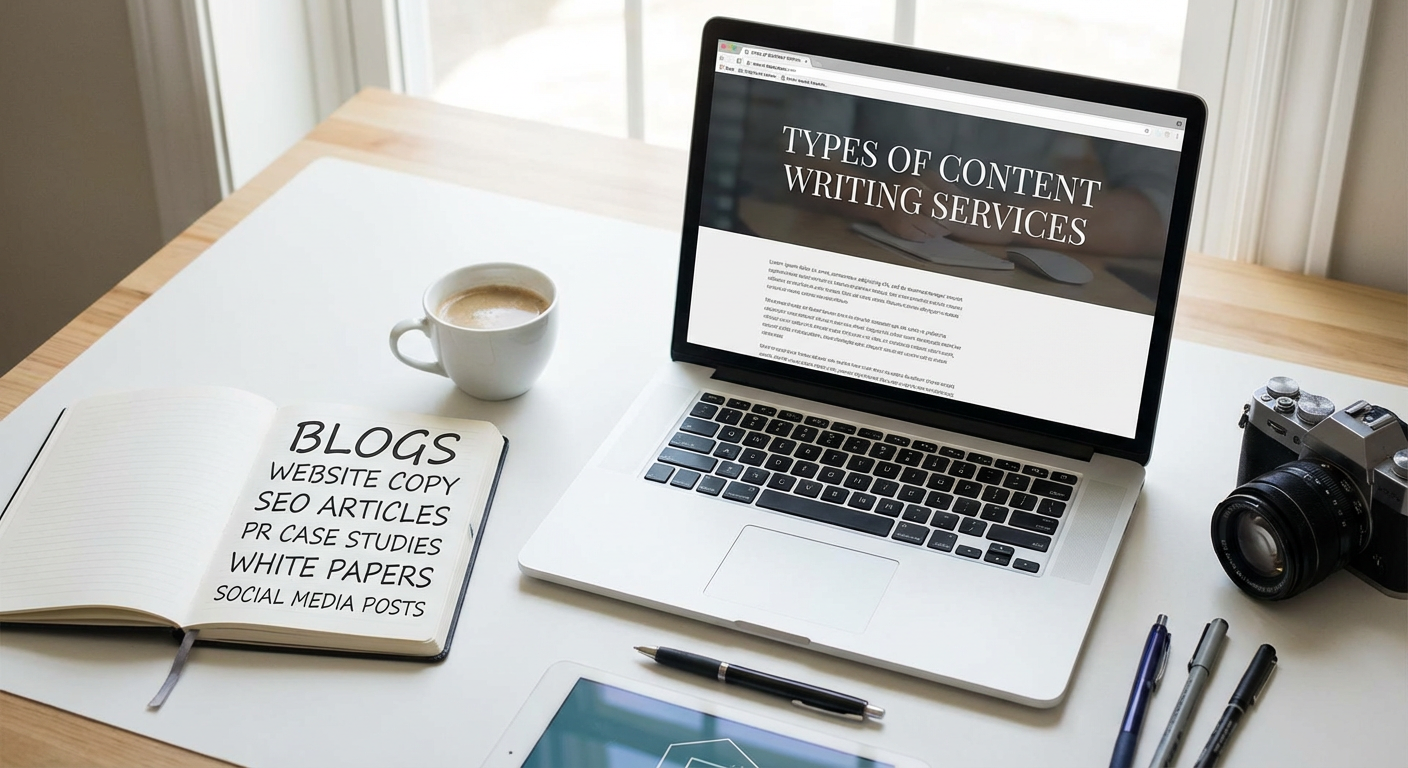
Blog writing remains the most beginner-friendly content service because the format is straightforward and forgiving. Most blog posts follow simple structures like listicles, how-to guides, or opinion pieces that don’t require specialized knowledge. Clients usually provide topic ideas and keywords, so you’re not starting from scratch. The conversational tone of most blogs means you can write naturally without mastering formal business language. Plus, there’s an enormous demand for blog content across every industry imaginable.
- Product Descriptions
Writing product descriptions is perfect for beginners because each piece is short, focused, and follows predictable patterns. You’ll describe features, benefits, and specifications in 100 to 300 words, making it manageable even if you’re still building your writing stamina. E-commerce businesses need hundreds or thousands of these descriptions, creating steady work opportunities. The skills you develop here, like writing persuasively and concisely, transfer well to other content types as you grow.
- Social Media Content
If you already use social media personally, you have a head start on understanding what works on these platforms. Writing captions, posts, and short updates requires creativity but not extensive training. Most social content is brief, so you can practice writing tight, engaging copy without the pressure of producing long-form pieces. Businesses of all sizes need consistent social content, and many are happy to work with newer writers who understand the casual, authentic voice that performs well on these channels.
- Email Newsletters
Email newsletters combine the friendly tone of blog writing with the focused messaging of marketing copy. They’re approachable for beginners because they typically include a mix of updates, tips, and links rather than requiring original research or complex arguments. Most newsletters follow templates that make formatting simple. As you write more newsletters, you’ll naturally learn about email marketing best practices and subscriber engagement, skills that become valuable across many content types.
- Website Copy for Small Businesses
Small local businesses often need simple, clear website copy for their About, Services, and Contact pages. These projects don’t require the persuasive intensity of sales pages or the technical depth of specialized content. You’ll mainly explain what the business does, who they serve, and why customers should choose them. Many small business owners appreciate working with local or newer writers who offer reasonable rates and genuine enthusiasm. The projects are small enough to finish quickly, helping you build your portfolio one website at a time.
- Listicles and Roundup Posts
Listicles are among the easiest content formats to master because the structure does much of the work for you. You research a topic, find 5 to 20 items that fit, and write a short explanation for each one. Readers love listicles because they’re scannable and easy to digest. Clients love them because they perform well in search results and on social media. As a beginner, you can start with simple lists and gradually tackle more complex or researched topics as your confidence grows.
- Basic SEO Content
Learning basic SEO writing is easier than it sounds and immediately makes your services more valuable. You’ll learn to include keywords naturally, write clear headlines, and structure content so search engines can understand it. Many clients provide keyword lists and instructions, so you don’t need to become an SEO expert yourself. Starting with SEO-friendly blog posts or articles lets you practice these skills in a low-pressure environment. The fundamentals you learn will serve you throughout your entire writing career.
- How-To Guides and Tutorials
How-to content works well for beginners because you’re simply explaining a process step by step. Choose topics you already know well, like a hobby, a software tool you use, or a skill you’ve mastered. The logical structure of how-to guides makes them straightforward to outline and write. Readers appreciate clear, jargon-free instructions, which aligns perfectly with the simple writing style beginners should practice. These guides also let you showcase your knowledge in specific areas, helping you attract clients in those niches.
- Resource Pages and Link Roundups
Resource pages compile useful links, tools, or references on a specific topic. Writing them requires more research and curation than original writing, making them less intimidating for new writers. You’ll find relevant resources, organize them into logical categories, and write brief descriptions for each one. These pages provide genuine value to readers while helping you learn about different industries and topics. They’re also quick to produce once you develop an efficient research process.
- FAQ Content
Frequently Asked Questions content is wonderfully beginner-friendly because each answer is self-contained and focused. You’ll write clear, direct responses to common questions customers ask about products, services, or topics. The Q&A format naturally keeps your writing concise and on point. Many businesses can provide you with the actual questions their customers ask, so you’re working from real data. This type of content helps you practice clarity and precision, two essential writing skills that apply everywhere.
- Press Releases for Local Events
Local organizations, small businesses, and community groups regularly need basic press releases for events, announcements, or milestones. Press releases follow a standard format that you can learn in an afternoon. The writing style is factual and straightforward, without the creative demands of other content types. Starting with simple event announcements helps you master the format before moving to more complex releases. These projects are usually short, making them perfect for building experience quickly.
- Personal Blog Ghostwriting
Many professionals want to maintain personal blogs but lack the time to write them. Ghostwriting these posts is beginner-friendly because the tone is casual and the topics often come from conversations with your client. You’re essentially writing in someone else’s voice about their experiences, opinions, or expertise. This teaches you to adapt your writing style to different voices, a crucial skill for any content writer. The feedback you receive helps you improve quickly because clients can tell you exactly what sounds right or wrong for their voice.
- Interview-Based Articles
Writing articles based on interviews takes pressure off your research and idea generation. You’ll conduct or transcribe an interview, then shape the conversation into an article format. The interviewee provides the expertise and content, while you focus on making it readable and well-organized. This approach works well when you’re writing about topics outside your direct experience. You’ll learn about different subjects while practicing your ability to identify key points and craft coherent narratives from raw material.
- Content Editing and Proofreading
If writing from scratch feels intimidating, editing existing content is a gentler entry point. You’ll fix grammar, improve clarity, and polish someone else’s draft. This helps you learn what good writing looks like by working directly with real examples. Many businesses produce content internally that needs professional cleanup before publication. As you edit more pieces, you’ll develop stronger instincts about what works and what doesn’t, making your own original writing better in the process.
- Testimonial and Review Writing
Businesses often need help transforming customer feedback into polished testimonials or case study quotes. You’ll take rough comments or interview responses and craft them into compelling, quotable statements while preserving the customer’s authentic voice. These pieces are short and focused, usually just a paragraph or two. The work teaches you to distill key benefits and emotional responses, skills that translate directly into marketing and sales writing as you advance your career.
- Simple Landing Page Copy
Basic landing pages for webinars, downloads, or email signups are less complex than full sales pages. You’ll write a headline, a few benefit points, and a call to action, usually totaling 200 to 400 words. Many clients provide examples of what they want, giving you a clear template to follow. These projects introduce you to conversion-focused writing without the pressure of full-scale sales copy. As you complete more landing pages, you’ll naturally absorb persuasive writing techniques that you can apply elsewhere.
- Transcription and Content Repurposing
Turning podcasts, videos, or webinars into written content is straightforward work that builds your skills. You’ll transcribe or summarize spoken content into blog posts, articles, or social media updates. The source material provides all the information and structure, so you’re focusing on presentation rather than content creation. This service is in high demand as more businesses create audio and video content that needs written versions. It’s also excellent practice for extracting key points and organizing information clearly.
- Company Blog Management
Some small businesses need someone to simply keep their blog active with regular, basic posts. You might write short updates about company news, industry tips, or seasonal topics. The expectations are usually modest, making this perfect for building confidence and consistency. Managing a blog teaches you about content calendars, regular publishing schedules, and maintaining a consistent brand voice. These organizational skills become just as valuable as your writing abilities as you take on larger clients and projects.
- Content Updates and Refreshes
Updating existing content is less intimidating than creating new pieces from scratch. You’ll revise outdated information, add new sections, improve readability, or optimize for current SEO practices. Clients provide the original content and guidance on what needs changing, giving you clear direction. This work helps you learn to evaluate content critically and understand what makes some pieces perform better than others. It’s a low-risk way to practice your skills while providing genuine value to clients who need their content libraries maintained.
Starting a content writing career doesn’t require mastering every format or becoming an expert overnight. These 20 beginner-friendly services give you practical options for building skills, earning money, and growing your portfolio. Focus on services that match your current abilities and interests, then gradually expand as you gain confidence. Remember that every experienced writer started exactly where you are now, learning one content type at a time. Pick one or two services from this list, practice them until you feel comfortable, and then add more to your offerings. Your writing career is a marathon, not a sprint, and these accessible services provide the perfect starting line.