 on
on
17 Affiliate Marketing Resources Compared: Which Tools Deliver the Best Results?
Affiliate marketing success depends on choosing the right tools for content creation, SEO, conversion optimization, and tracking. But with dozens of options in each category, how do you decide which ones are worth your time and money? This guide compares 17 essential resources for affiliate marketers, weighing their strengths against their weaknesses so you can make informed decisions about where to invest your budget and attention.
- Legiit: Balancing Affordability and Quality for Content and Services

Legiit stands out as a marketplace specifically built for digital marketing services, including content creation, link building, and SEO work. Compared to general freelance platforms, Legiit offers more specialized talent who understand affiliate marketing nuances. The pricing structure tends to fall between budget platforms like Fiverr and premium options like hiring full-time staff.
The main advantage is access to vetted service providers who already know what affiliate marketers need. You can find writers who understand product reviews, SEO specialists familiar with niche sites, and developers who build landing pages optimized for conversions. The trade-off is that while prices are reasonable, you won’t find rock-bottom rates. Quality sits in a sweet spot where serious marketers get professional work without agency-level costs.
- Ahrefs Versus SEMrush: The Great SEO Tool Debate
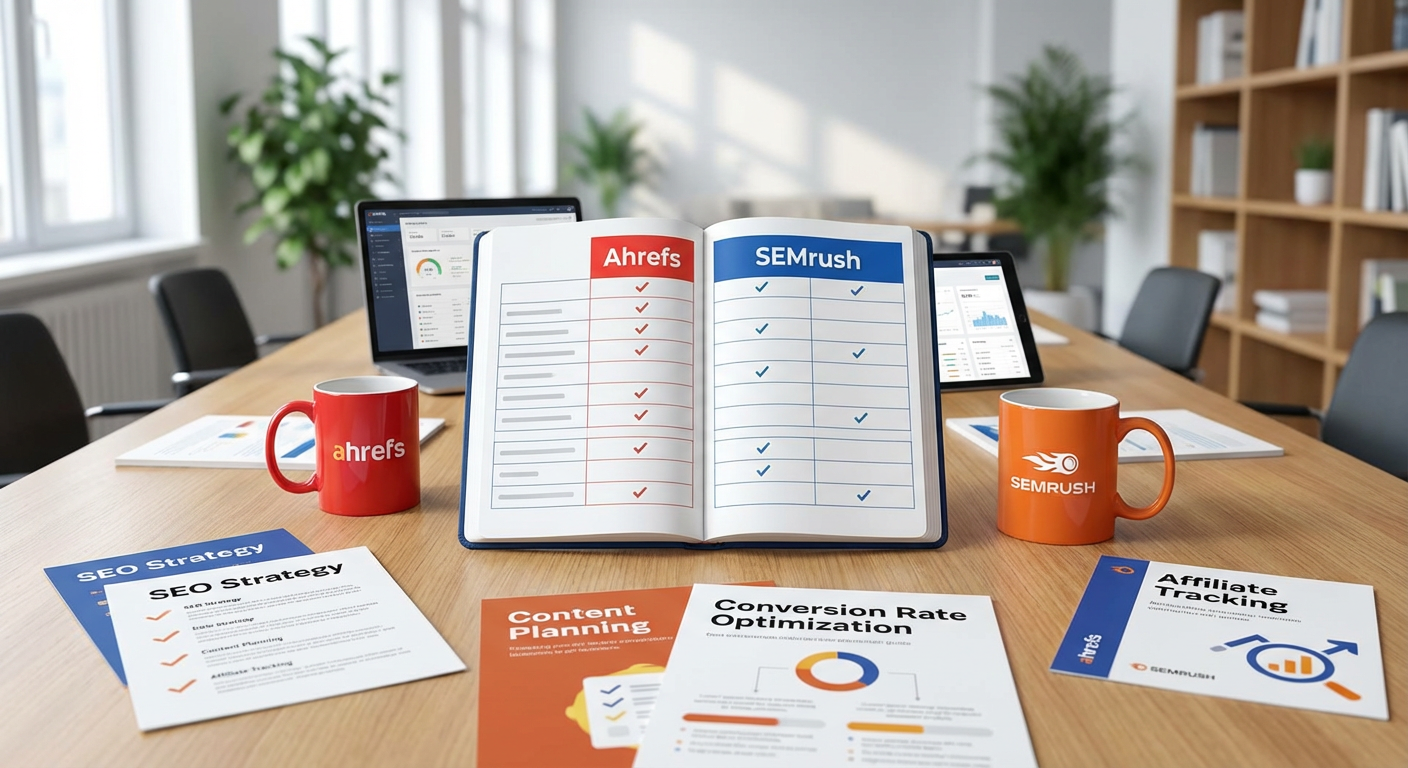
These two platforms dominate the SEO tool space, and choosing between them often comes down to specific needs. Ahrefs excels at backlink analysis with the most comprehensive link index available. Its interface feels cleaner and more intuitive for beginners. SEMrush offers broader marketing features including PPC research, social media tools, and content planning features that Ahrefs lacks.
Price-wise, both sit in similar ranges, so cost rarely decides the winner. Ahrefs tends to be the choice for affiliate marketers focused primarily on organic search and link building. SEMrush makes more sense if you run paid campaigns alongside your affiliate content or manage multiple marketing channels. Many serious marketers eventually subscribe to both, using each for its strongest features.
- Google Analytics Versus Matomo: Free Tracking With Different Privacy Trade-Offs
Google Analytics offers powerful tracking without a price tag, plus integration with other Google services that most marketers already use. The downside is data sampling on high-traffic sites, a learning curve that can frustrate beginners, and privacy concerns that matter more as regulations tighten. You’re also sharing your data with Google, which some affiliates find uncomfortable.
Matomo provides similar analytics capabilities while keeping all data on your own servers. This gives you complete ownership and helps with GDPR compliance. The catch is that self-hosting requires technical knowledge and server resources. Matomo also offers a cloud version that removes the technical burden but adds a monthly cost. For privacy-conscious affiliates or those in strict regulatory environments, Matomo wins despite the extra effort or expense.
- Surfer SEO Versus Clearscope: Content Optimization Tools Head to Head
Both tools analyze top-ranking content and suggest keywords and topics to include in your articles. Surfer SEO provides more granular control with word count targets, keyword density recommendations, and a content editor that scores your writing in real time. It also includes SERP analysis tools and site auditing features that Clearscope doesn’t offer.
Clearscope focuses purely on content optimization with a cleaner, less overwhelming interface. Reports are easier to digest for writers who aren’t SEO experts. Pricing favors Clearscope for solo affiliates, while Surfer offers better value for teams or those who need the additional SEO features. If you write all your own content and want simplicity, Clearscope edges ahead. If you need comprehensive SEO tools beyond just content optimization, Surfer delivers more for your money.
- ClickMagick Versus Voluum: Tracking Platforms for Different Scales
ClickMagick appeals to small and medium-sized affiliate operations with straightforward tracking, link cloaking, and conversion monitoring. Setup is relatively simple, and pricing starts low enough for new affiliates to afford. The interface won’t intimidate beginners, and customer support is known for being responsive and helpful.
Voluum targets larger operations and media buyers who need advanced features like traffic distribution, automatic optimization, and detailed funnel analysis. It handles massive traffic volumes that would overwhelm ClickMagick. The learning curve is steeper, and entry-level pricing is higher. For most affiliate bloggers and content marketers, ClickMagick provides everything needed without unnecessary complexity. Media buyers running paid traffic at scale will quickly outgrow it and appreciate what Voluum offers despite the higher cost.
- ConvertKit Versus ActiveCampaign: Email Marketing for Affiliates
ConvertKit was built specifically for creators and content marketers, making it naturally aligned with affiliate marketing needs. Tag-based organization and visual automation builders make segmenting your audience simple. The downside is fewer advanced features compared to enterprise email platforms, and design options are more limited.
ActiveCampaign provides deeper automation capabilities, better CRM features, and more sophisticated segmentation options. You can build complex automation sequences that respond to dozens of triggers and conditions. This power comes with complexity that can overwhelm new users, and pricing scales up faster as your list grows. Affiliates focused primarily on content should lean toward ConvertKit for simplicity and creator-friendly features. Those running complex funnels with multiple products and sophisticated segmentation will benefit from ActiveCampaign’s additional capabilities.
- Grammarly Versus ProWritingAid: Editing Tools Compared
Grammarly offers real-time corrections across browsers, email clients, and word processors with minimal setup. Its suggestions are generally accurate, and the interface stays out of your way until you need it. The premium version adds style suggestions and plagiarism checking. The weakness is that deeper writing analysis requires upgrading, and the annual cost adds up.
ProWritingAid provides more comprehensive writing reports that analyze readability, sentence structure, and style in greater depth. It integrates with more writing platforms and costs less for lifetime access. The trade-off is a busier interface that can feel overwhelming, and real-time checking isn’t quite as smooth as Grammarly. For affiliates who write constantly and want detailed feedback to improve their craft, ProWritingAid offers better long-term value. Those who prefer simplicity and seamless integration across all their tools will be happier with Grammarly.
- ThirstyAffiliates Versus Pretty Links: WordPress Link Management Plugins
Both plugins cloak affiliate links and track clicks within WordPress, but they take different approaches. ThirstyAffiliates was built specifically for affiliate marketers and includes features like automatic keyword linking, category organization for links, and geographic redirects. It feels more specialized and affiliate-focused out of the box.
Pretty Links takes a simpler approach with fewer bells and whistles but rock-solid reliability. It’s lighter on server resources and integrates well with page builders and other plugins. The pro version adds useful features, but even the free version handles basic link cloaking well. ThirstyAffiliates wins for affiliates managing hundreds of links across multiple programs who need advanced organization. Pretty Links suits those who want reliable link cloaking without the complexity or who run sites where performance is critical.
- Canva Versus Adobe Express: Visual Content Creation for Non-Designers
Canva dominates the easy design space with thousands of templates, a huge library of stock photos and elements, and an interface that anyone can learn in minutes. The free version is generous, and premium pricing is reasonable for the value provided. The limitation is that designs can look generic since so many people use the same templates.
Adobe Express (formerly Spark) offers similar functionality with templates and drag-and-drop editing but includes more sophisticated tools for those willing to learn them. Integration with other Adobe products matters if you already use Photoshop or Illustrator. Pricing is competitive, especially if you subscribe to other Adobe services. For pure ease of use and template variety, Canva edges ahead. Affiliates who want more control over design details or who use other Adobe tools should consider Adobe Express.
- Jasper AI Versus Copy.ai: AI Writing Assistants Reviewed
Jasper positions itself as the premium AI writing solution with more templates, better long-form content capabilities, and features like brand voice customization. It handles blog posts, product descriptions, and email sequences competently. The cost is significantly higher than alternatives, which can strain budgets for new affiliates.
Copy.ai offers similar AI writing capabilities at a lower price point with a more generous free tier. The interface is cleaner and less overwhelming for beginners. Long-form content isn’t quite as polished as Jasper, and you get fewer advanced features. For affiliates testing AI writing tools or working with tight budgets, Copy.ai provides solid value. Those producing high volumes of content who need consistent quality and advanced features will find Jasper worth the premium.
- Hotjar Versus Crazy Egg: Heatmap and Behavior Analysis Tools
Hotjar combines heatmaps, session recordings, and user feedback tools in one platform at an accessible price point. You can watch exactly how visitors interact with your pages and collect survey responses to understand why they behave certain ways. The limitation is that data collection can slow down page load times if not implemented carefully.
Crazy Egg focuses primarily on heatmaps and A/B testing with a simpler interface that’s easier to interpret for beginners. Performance impact is minimal, and reports are straightforward. You lose some of the additional features Hotjar provides like surveys and user recordings. For affiliates who want comprehensive behavior analysis and don’t mind a bit of complexity, Hotjar delivers more tools for your money. Those who primarily need heatmaps to identify problem areas on landing pages will prefer Crazy Egg’s focused approach.
- Google Search Console Versus Bing Webmaster Tools: Free Search Data Sources
Google Search Console is essential for any affiliate marketer since Google dominates search traffic. You get data on rankings, clicks, impressions, and technical issues directly from the source. The interface has improved but still frustrates users with data delays and limited historical information. There’s no cost, which makes the limitations easier to accept.
Bing Webmaster Tools offers similar insights for Bing and Yahoo search traffic with a cleaner interface and some features Google doesn’t provide, like keyword research tools and SEO reports. The catch is that Bing traffic typically represents a small fraction of what Google sends. Smart affiliates use both since they’re free, but Google Search Console deserves priority attention. Bing can reveal opportunities that competitors overlook since fewer marketers optimize specifically for it.
- Unbounce Versus Leadpages: Landing Page Builders Assessed
Unbounce targets serious marketers with powerful A/B testing, dynamic text replacement, and a flexible drag-and-drop builder. Pages load quickly, and conversion optimization features are built into the core product. Pricing is on the higher end, which can be hard to justify for affiliates just starting out or those with limited traffic.
Leadpages offers similar landing page capabilities at a lower entry price with templates specifically designed for lead generation. The builder is less flexible but easier for beginners to use productively. Integration options are solid, and hosting is included. For affiliates testing different offers and products who need to build pages quickly, Leadpages provides better value. Those running serious paid traffic who need sophisticated testing and optimization features will get better results with Unbounce despite the higher cost.
- Mangools Versus Ubersuggest: Budget-Friendly SEO Suites
Mangools packages five SEO tools including keyword research, rank tracking, and backlink analysis at a price point well below Ahrefs or SEMrush. The interface is clean and approachable, making it popular with beginners and solo affiliates. Data isn’t quite as comprehensive as premium tools, and some advanced features are missing entirely.
Ubersuggest comes in even cheaper with lifetime access options that eliminate recurring costs. Neil Patel’s branding and educational content add value for those learning SEO. The tools work well for basic keyword research and site audits but lack depth for competitive analysis. Affiliates on tight budgets who need functional SEO tools without premium pricing should consider both options carefully. Mangools offers better data quality and more polished tools, while Ubersuggest wins on price and the option to pay once instead of subscribing indefinitely.
- WP Rocket Versus NitroPack: WordPress Speed Optimization Plugins
WP Rocket is the most popular WordPress caching plugin for good reason. It handles page caching, file compression, and lazy loading with minimal configuration. The plugin rarely conflicts with other tools, and support is responsive when issues arise. You need to pay for it, unlike some caching alternatives, and it requires annual renewal.
NitroPack takes a different approach by optimizing your site through their cloud service rather than just caching locally. This can produce better speed results, especially for sites with complex themes or page builders. The downside is relying on an external service for your site’s performance, and pricing is based on page views rather than a flat fee. For most affiliate sites, WP Rocket provides reliable speed improvements with less complexity. Sites struggling to meet Core Web Vitals standards despite other optimization efforts might find NitroPack’s more aggressive approach worth the trade-offs.
- Google Optimize Versus VWO: A/B Testing Platform Comparison
Google Optimize offers free A/B testing with integration into Google Analytics and Tag Manager. For affiliates already using Google’s ecosystem, setup is straightforward. The visual editor works well for simple tests, and the price can’t be beat. Advanced features require upgrading to the enterprise version, which is priced out of reach for most affiliates. Google has also announced they’re discontinuing Optimize, making long-term planning difficult.
VWO is a dedicated testing platform with better targeting options, multivariate testing, and features designed specifically for conversion optimization. Customer support actually helps you design tests and interpret results. The cost is significant compared to free alternatives, starting at prices that only make sense once you have substantial traffic. Affiliates with enough traffic to run meaningful tests who want professional-grade tools should evaluate VWO. Those just starting with conversion optimization might look at alternatives since Google Optimize’s future is uncertain.
- BuzzSumo Versus Exploding Topics: Content Research Tools Evaluated
BuzzSumo has long been the standard for finding popular content, analyzing what performs well on social media, and identifying influencers in your niche. The data goes back years, giving you historical perspective on content performance. The interface packs in numerous features that can overwhelm new users, and pricing has crept up over time to levels that strain solo affiliate budgets.
Exploding Topics takes a different approach by identifying trending topics before they become saturated. The database is smaller and more curated, focusing on emerging trends rather than comprehensive content analysis. Pricing is more accessible for individual affiliates. BuzzSumo suits affiliates in established niches who need deep competitive analysis and influencer research. Exploding Topics works better for those looking to get ahead of trends and enter growing markets before competition intensifies. The tools complement each other well if budget allows for both.
Choosing the right resources for your affiliate marketing business means weighing costs against capabilities and matching tools to your specific situation. Premium options often justify their price tags once you have traffic and revenue, while budget-friendly alternatives help you get started without breaking the bank. The comparisons above should help you make smarter decisions about where to invest your limited time and money. Start with tools that address your biggest current bottleneck, measure the results, and adjust your stack as your business grows.