 on
on
15 Essential Tools & Services for E-commerce Store Owners Who Want to Work Smarter
Running an online store means juggling dozens of tasks at once. From creating product descriptions to managing customer support, every responsibility demands your attention. The right tools can help you work faster, reduce errors, and focus on growing your business instead of drowning in administrative work. This list covers practical services that solve real problems for e-commerce owners, whether you’re just starting out or already processing hundreds of orders each month.
- Legiit
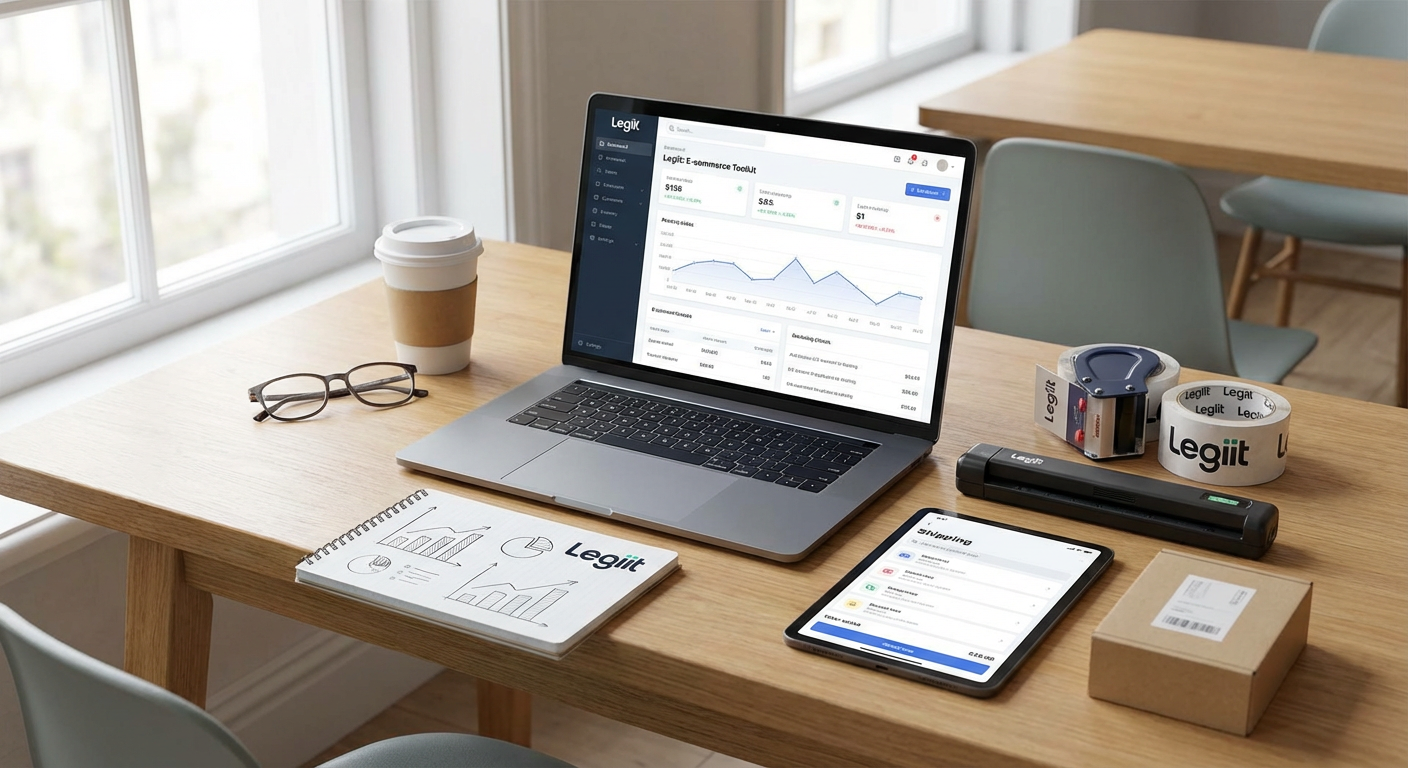
When you need help with specific tasks but aren’t ready to hire full-time employees, Legiit connects you with freelancers who understand e-commerce. You can find specialists for product photography, copywriting, graphic design, social media management, and technical tasks like site optimization. The platform focuses on digital services that online sellers actually need, making it easier to find the right person without sorting through irrelevant profiles. Many store owners use Legiit to handle overflow work during busy seasons or to access skills their team doesn’t have in-house.
- Klaviyo

Email marketing remains one of the highest-converting channels for e-commerce, and Klaviyo specializes in this space. The platform connects directly to your store and uses customer behavior to trigger personalized messages. Someone abandons their cart? They get a reminder. A customer hasn’t purchased in three months? They receive a win-back offer. The segmentation tools let you group customers by purchase history, location, or browsing patterns, so you can send relevant messages instead of generic blasts. Setup takes some time initially, but the automation runs itself once configured.
- ShipStation
Managing shipping across multiple carriers and sales channels becomes complicated fast. ShipStation centralizes everything into one dashboard where you can compare rates, print labels, and track packages. The software pulls orders from your store automatically and lets you create shipping rules based on weight, destination, or product type. You can also send branded tracking emails to customers, reducing the number of “where’s my order?” messages you receive. For stores shipping more than a handful of orders daily, the time savings add up quickly.
- Zendesk
Customer questions will arrive through email, social media, live chat, and phone calls. Zendesk brings all these conversations into a single ticketing system so nothing falls through the cracks. Your team can see the full history of each customer interaction, assign tickets to specific people, and use saved responses for common questions. The reporting features show you which issues come up most often, helping you identify problems with products or processes. As your store grows, having organized customer support becomes less optional and more essential.
- Google Analytics
You need to know where your traffic comes from, which products people view most, and where customers drop off during checkout. Google Analytics tracks all this for free. The e-commerce tracking features show you revenue by product, average order value, and conversion rates for different traffic sources. You can see if your Facebook ads actually lead to sales or if most revenue comes from organic search. The data helps you stop guessing and start making decisions based on what’s actually happening in your store.
- Canva
Professional-looking graphics matter for product listings, social media posts, and promotional banners. Canva makes design accessible even if you have no formal training. The platform offers thousands of templates for social posts, ads, and marketing materials that you can customize with your colors and branding. The drag-and-drop interface is simple enough to learn in an afternoon. While hiring a designer makes sense for major projects like logo creation, Canva handles the everyday graphics that keep your store looking polished.
- Hotjar
Sometimes you need to see what visitors actually do on your site, not just read numbers in a spreadsheet. Hotjar records user sessions so you can watch real people navigate your store. The heatmaps show where people click, how far they scroll, and which elements they ignore. You might discover that customers don’t see your shipping information because it’s below the fold, or that a confusing checkout button is causing abandonment. These insights help you fix problems you didn’t know existed.
- QuickBooks Online
Keeping your finances organized from day one saves massive headaches at tax time. QuickBooks Online tracks income, expenses, and profit margins automatically when connected to your store and bank accounts. You can categorize transactions, generate profit and loss statements, and share access with your accountant. The software also handles sales tax calculations for different states, which gets complicated as you grow. While accounting software isn’t exciting, it prevents the nightmare of reconstructing months of financial data from memory.
- Shopify Flow
Repetitive tasks eat up hours that could go toward strategic work. Shopify Flow automates actions based on triggers you define. When inventory drops below a certain level, it can notify your supplier. When a high-value order comes in, it can tag the customer as VIP. When a product gets a negative review, it can alert your team. The visual workflow builder doesn’t require coding knowledge. You simply connect triggers, conditions, and actions like building blocks. Even a few simple automations can save hours each week.
- Loox
Customer reviews and photos build trust with potential buyers who can’t see products in person. Loox automates the review collection process by sending requests after delivery and offering small incentives for photo reviews. The widget displays these reviews on product pages with filtering options, and customers can vote on helpful reviews. Photo reviews perform especially well because they show real people using your products. The service also helps you identify quality issues early when multiple customers mention the same problem.
- Lucky Orange
This conversion optimization tool combines several features into one platform: session recordings, heatmaps, live chat, and form analytics. The form analytics are particularly useful for checkout optimization, showing you exactly which fields cause people to hesitate or abandon. The live chat feature lets you proactively reach out to visitors who seem stuck or confused. You can watch recordings of problematic sessions to understand what went wrong. The real-time dashboard shows you who’s on your site right now and what they’re doing, which helps during product launches or promotional campaigns.
- Returnly
Returns are part of e-commerce life, but the process often frustrates customers and creates administrative work. Returnly creates a branded return portal where customers can initiate returns themselves, print labels, and track their refund status. The system can offer exchanges or store credit as alternatives to refunds, helping you retain revenue. You get analytics on why products are returned, which helps identify issues with sizing, quality, or product descriptions. A smooth return process turns a negative experience into a neutral or even positive one.
- Yotpo
This platform goes beyond basic reviews to include visual marketing, loyalty programs, and referral campaigns. Customers can submit reviews with photos and videos, which you can then display across your site and share on social media. The loyalty program features let you reward repeat purchases, social shares, and other desired behaviors with points. The referral system turns happy customers into brand ambassadors by giving them incentives to bring in new buyers. Having these features in one platform simplifies management compared to using separate tools for each function.
- Tidio
Many potential customers have quick questions that prevent them from buying. Tidio adds live chat to your store with chatbot capabilities that handle common questions automatically. The bots can answer questions about shipping, return policies, or product specifications without human intervention. When a question requires a real person, the conversation transfers smoothly to your team. The mobile app lets you respond to chats from anywhere, preventing lost sales when you’re away from your desk. The system also captures email addresses from visitors, building your marketing list.
- Refersion
Affiliate marketing lets other people promote your products in exchange for commission, expanding your reach without upfront advertising costs. Refersion manages the entire affiliate program, from recruiting affiliates to tracking their sales to processing payments. The platform generates unique tracking links for each affiliate and provides them with promotional materials. You can set different commission rates for different products or affiliates, and the reporting shows you which partners drive the most value. Running an affiliate program manually through spreadsheets becomes unmanageable quickly, making dedicated software worthwhile.
- ReCharge
Subscription models create predictable recurring revenue instead of constantly finding new customers. ReCharge adds subscription functionality to your store, letting customers sign up for automatic deliveries at intervals they choose. The customer portal allows subscribers to skip shipments, change frequencies, or update payment information without contacting support. The analytics show you retention rates, churn reasons, and lifetime value for subscribers versus one-time buyers. Products that people use regularly like supplements, coffee, or pet supplies work particularly well with subscriptions. Even a small percentage of subscribers can significantly stabilize your cash flow.
Building a successful e-commerce business requires more than just good products. The tools you choose determine how efficiently you operate and how well you serve customers. Start with the essentials that solve your biggest pain points, whether that’s shipping logistics, customer communication, or financial tracking. As your store grows, you can add more specialized tools to address new challenges. The investment in good software pays for itself through time savings, fewer errors, and better customer experiences. Focus on tools that integrate well with each other and actually solve problems instead of adding complexity.