 on
on
13 Practical Tips for Hiring Brand Designers and Logo Pros on Top Marketplaces
Finding the right brand designer or logo specialist can make or break your business identity. But knowing where to look is only half the battle. The real challenge is understanding how to use these platforms effectively, vet candidates properly, and get the best value for your budget. This guide walks you through thirteen marketplaces with hands-on advice for each one. You’ll learn specific strategies to find quality designers, avoid common pitfalls, and make smart hiring decisions that lead to results you’ll actually want to use.
- Start with Legiit for Transparent Pricing and Fast Turnarounds
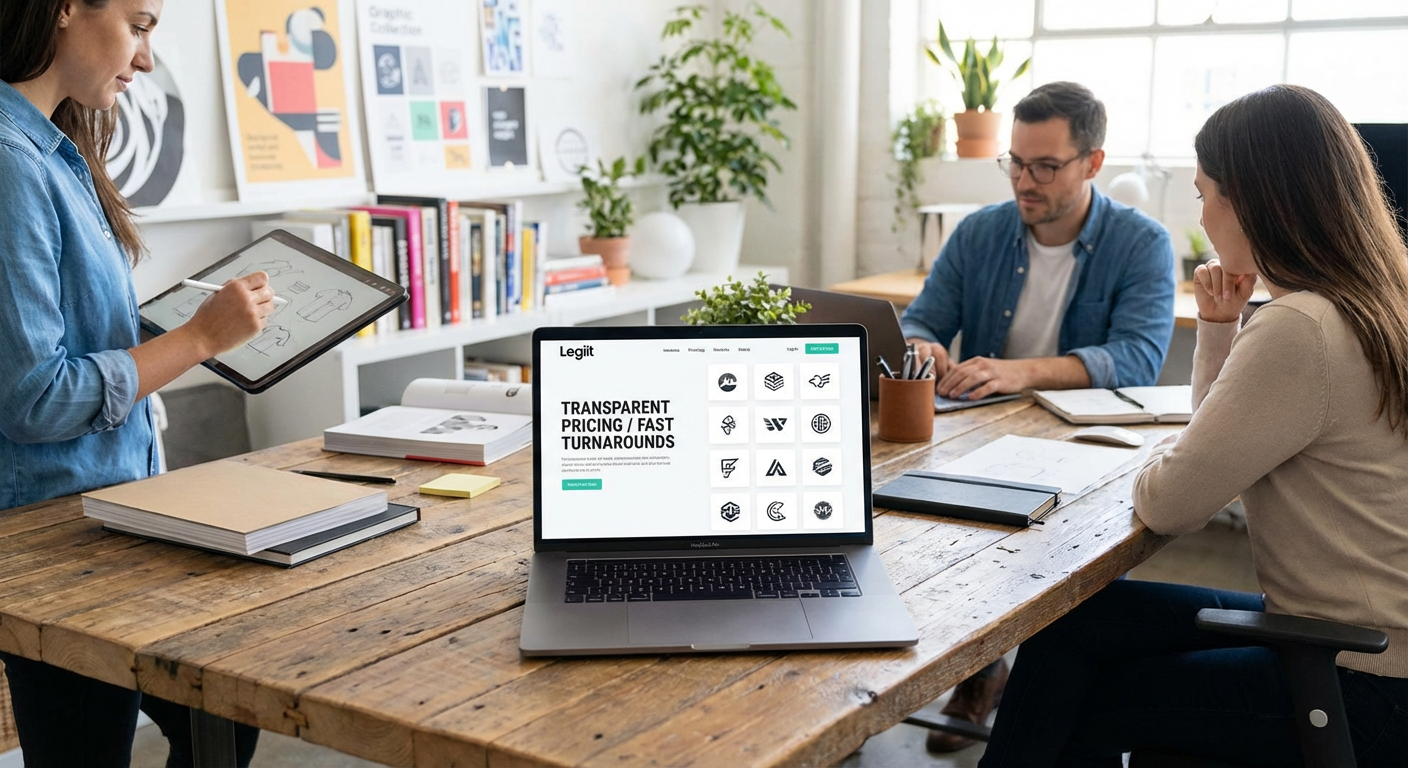
Legiit connects you with experienced brand designers and logo professionals who list their services with clear, upfront pricing. This transparency helps you budget accurately before you commit. The platform attracts freelancers who specialize in marketing services, so you’ll find designers who understand brand strategy, not just aesthetics.
When browsing Legiit, look at seller profiles that show recent work samples and client reviews. Many designers offer packages at different price points, which makes it simple to match your needs with your budget. Pay attention to delivery times listed on each service. If you need a logo quickly, filter for sellers who promise fast turnaround without sacrificing quality. The messaging system lets you ask questions before purchase, so clarify your vision and confirm the designer can deliver what you need.
- Use Behance to Research Portfolios Before Reaching Out Directly
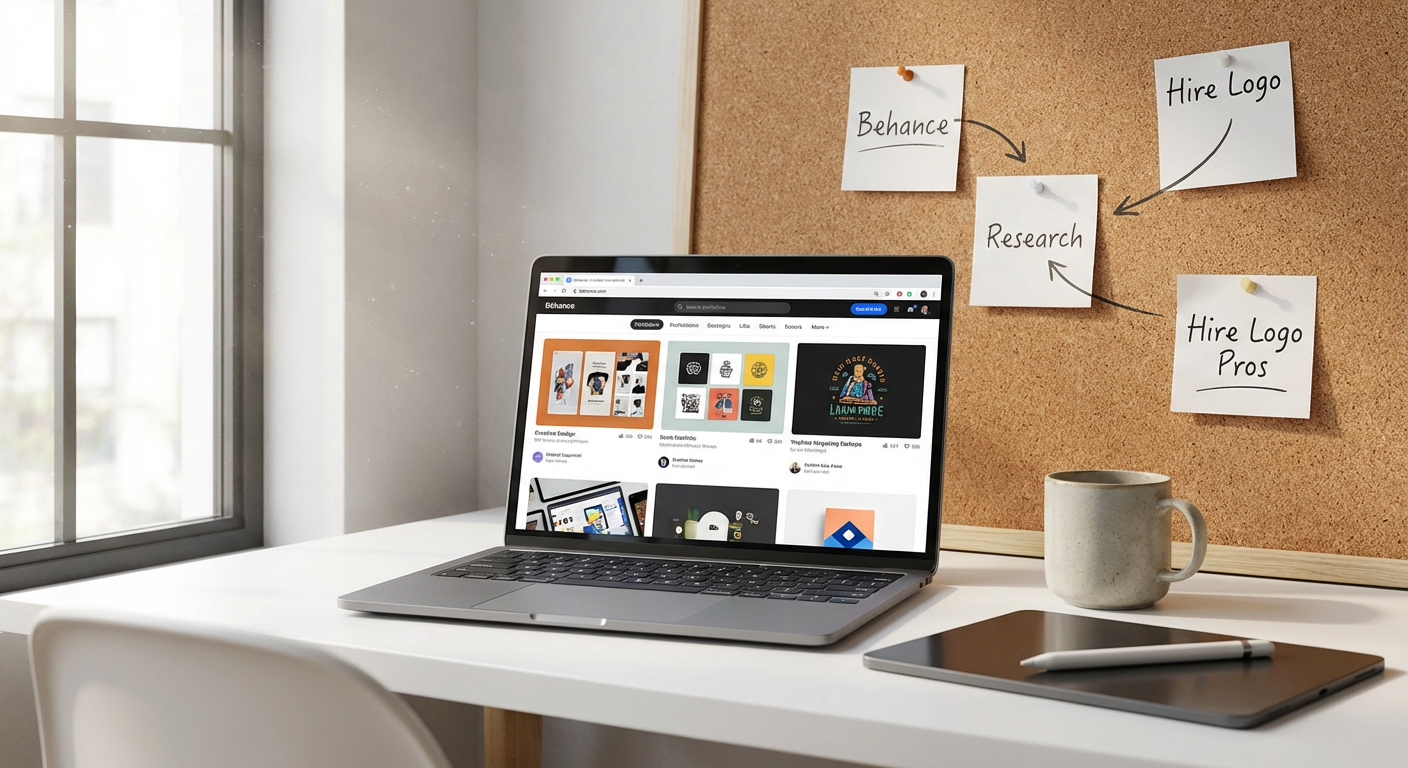
Behance is a portfolio platform where designers showcase their best work. While it’s not a traditional marketplace with built-in payment systems, it’s one of the most valuable tools for finding top talent. Spend time browsing portfolios that match your aesthetic preferences. Look for designers whose style aligns with your brand personality.
Once you identify candidates, check if they list contact information or links to their websites. Many designers on Behance are available for freelance work and will negotiate directly with you. This approach takes more effort than using a turnkey platform, but it often results in higher quality matches. Save projects you admire and create a shortlist of three to five designers before making contact. When you reach out, reference specific projects that caught your eye and explain why their style fits your needs.
- Filter Fiverr Results by Delivery Time and Revision Policy
Fiverr hosts thousands of logo designers, which means you need a solid filtering strategy to avoid getting overwhelmed. Start by setting your budget range, then sort by seller level. Pro sellers and top-rated sellers generally deliver more consistent quality. Read the gig description carefully to understand what’s included in the base price versus add-ons.
Pay special attention to the revision policy. Some designers offer unlimited revisions, while others cap it at two or three. If you’re not completely sure what you want yet, choose someone who allows more revisions. Check the delivery time and make sure it aligns with your schedule. If a designer promises a logo in 24 hours, read reviews to see if they actually meet that deadline. Fast delivery means nothing if the work is rushed and generic.
- Test Designers on Upwork with a Small Paid Trial Project
Upwork gives you access to freelancers around the world, but the sheer number of options can be paralyzing. Instead of committing to a full branding project right away, hire a designer for a small test assignment. Ask them to create a single logo concept or a mood board based on your brief. This trial run costs less and reveals how well they communicate, interpret feedback, and meet deadlines.
When posting your job, be specific about your industry, target audience, and brand values. Vague job posts attract generic applications. Include examples of logos or brands you admire, and explain what you like about them. After you receive proposals, interview your top three candidates via video call. This conversation helps you gauge their enthusiasm and professionalism. Once you pick someone for the trial, give clear, honest feedback. A good designer will take your notes and improve the work quickly.
- Check Dribbble for Niche Specialists in Your Industry
Dribbble is another portfolio site where designers share work in progress and finished projects. The community skews toward high-end design work, so you’ll often find specialists who focus on specific industries like tech startups, food and beverage, or wellness brands. Use the search function to find designers who have worked in your niche.
When you find a designer whose work resonates, click through to their full profile. Many list their availability status and preferred contact methods. If they’re open to new projects, send a brief message explaining your needs and asking for a quote. Designers on Dribbble tend to charge higher rates than those on budget platforms, but the quality often justifies the cost. If budget is tight, look for newer designers who are building their portfolios and may offer lower rates in exchange for testimonials and case studies.
- Leverage 99designs Contests When You Want Multiple Concepts
99designs runs design contests where you post a brief and multiple designers submit concepts. You review all entries, provide feedback, and eventually pick a winner. This model works well if you’re not sure what style you want or if you want to see a range of ideas before committing.
To get the most from a contest, write a detailed brief that covers your company story, target audience, competitors, and style preferences. The more context you provide, the better the submissions. Set a reasonable prize amount. Low-budget contests attract fewer experienced designers. As entries come in, give constructive feedback on the ones you like. This helps designers refine their work and shows others what direction you prefer. Once the contest ends, you own the rights to the winning design, and many designers offer additional services like business card design or social media templates.
- Browse Creative Market for Ready-Made Logo Templates You Can Customize
Creative Market sells pre-made design assets, including logo templates. If you need a professional look quickly and have a tight budget, this option can work well. Browse by style or industry, then purchase a template that matches your vision. Most templates come with editable files for software like Adobe Illustrator or Canva.
After purchasing, customize the template by changing colors, fonts, and text to fit your brand. If you’re not comfortable with design software, hire a freelancer from another platform to handle the customization for a small fee. This hybrid approach gives you a polished result without the cost of a fully custom design. Keep in mind that templates are not exclusive. Other businesses may use the same base design. If brand uniqueness is critical, invest in custom work instead.
- Use Toptal for Vetted Professionals When Quality is Non-Negotiable
Toptal screens freelancers rigorously before accepting them into the network. Only the top few percent of applicants make it through. This vetting process means you’re working with experienced professionals who have proven track records. If your brand is central to your business strategy and you can’t afford mistakes, Toptal is worth the premium.
When you contact Toptal, you’ll speak with a matcher who learns about your project and recommends candidates. You’ll interview these candidates and choose the best fit. The process takes longer than browsing a marketplace and clicking “hire,” but the quality control is much higher. Toptal designers understand business goals, not just design trends. They’ll ask strategic questions about your target market and competitive positioning. Expect to pay higher hourly rates, but also expect fewer revisions and stronger results.
- Post Clear Briefs on DesignCrowd to Attract Serious Applicants
DesignCrowd operates similarly to 99designs, with a contest model where designers compete for your project. The key to success on this platform is writing a brief that separates serious professionals from those who submit generic work. Include details about your company’s mission, your ideal customer, and the emotions you want your brand to evoke.
Attach reference images that illustrate styles you like and styles you want to avoid. This visual guidance prevents misunderstandings. Set a budget that reflects the complexity of your needs. Simple text-based logos cost less than intricate illustrations or mascot designs. As designers submit entries, rate them and leave comments. Designers who see you’re engaged will put in more effort. After the contest closes, you can work directly with the winner on additional branding materials, often at a discounted rate.
- Search LinkedIn for Local Designers Who Understand Your Market
LinkedIn isn’t a traditional freelance marketplace, but it’s a powerful tool for finding designers who live and work in your area. Local designers often understand regional culture, customer preferences, and industry trends better than someone halfway around the world. Use LinkedIn’s search filters to find brand designers or logo specialists in your city or region.
Review their profiles for work samples, recommendations, and endorsements. Look for designers who have worked with companies similar to yours in size or industry. Send a personalized connection request mentioning why you’re interested in their work. Once connected, propose a short call to discuss your project. Local designers are more likely to meet in person, which can improve communication and collaboration. If you find the right person, you may build a long-term relationship that extends beyond a single logo project.
- Request Video Consultations on Freelancer.com to Assess Communication Skills
Freelancer.com lists thousands of designers at various skill levels and price points. To avoid hiring someone who can’t interpret your feedback or misses deadlines, request a video consultation before committing. This call lets you evaluate how well the designer listens, asks clarifying questions, and explains their process.
During the consultation, share your brand vision and ask the designer to describe how they would approach the project. Pay attention to whether they ask about your target audience, competitors, and business goals. A designer who jumps straight to aesthetics without understanding strategy may produce a pretty logo that doesn’t serve your brand. After the call, trust your gut. If the conversation felt smooth and the designer seemed genuinely interested, move forward. If something felt off, keep searching.
- Review Portfolios on Coroflot for Designers with Agency Experience
Coroflot is a portfolio site and job board that attracts designers with formal training and agency backgrounds. If you want someone who understands brand systems, style guides, and consistent visual identity across channels, this platform is a smart choice. Use the search tools to filter by specialty and location.
When reviewing portfolios, look for case studies that explain the designer’s process, not just finished visuals. Strong designers will walk you through their research, concept development, and final execution. This depth shows they think strategically, not just visually. If a designer’s portfolio impresses you, reach out through the platform or via the contact information on their personal site. Be prepared to discuss your budget upfront. Designers with agency experience typically charge more than generalists on budget platforms.
- Join Design Facebook Groups to Get Recommendations from Other Business Owners
Facebook groups focused on small business, startups, or specific industries often have active discussions about hiring designers. Join a few relevant groups and search past posts for designer recommendations. You can also post your own request, explaining what you need and asking for referrals.
Other business owners will share their experiences, both positive and negative. This crowdsourced feedback helps you avoid designers who overpromise or underdeliver. When someone recommends a designer, ask follow-up questions about communication, revision process, and final quality. If multiple people vouch for the same designer, that’s a strong signal. Reach out to the designer directly, mention the group where you found them, and discuss your project. Designers who come recommended by peers often work harder to maintain their reputation.
Hiring a brand designer or logo professional doesn’t have to be stressful or expensive if you approach it with a clear plan. Each marketplace offers different strengths, whether it’s transparent pricing, access to niche specialists, or the ability to see multiple concepts before committing. The key is knowing what you need, communicating it clearly, and using the right platform for your situation. Take time to review portfolios, ask questions, and test candidates when possible. A strong brand identity is an investment that pays off for years, so it’s worth doing the work upfront to find the right designer. Start with one or two platforms from this list, apply the practical tips for each, and you’ll be well on your way to a logo and brand you’re proud to share.