 on
on
13 All-in-One Growth Platforms That Consolidate Your Marketing Stack
Running a business means juggling dozens of tools for email, social media, analytics, customer management, and more. The cost adds up quickly, and switching between platforms wastes precious time. All-in-one growth platforms solve this problem by bundling multiple marketing functions into a single dashboard. This list covers platforms that genuinely replace several separate tools, helping you save money and streamline your workflow. Whether you run a small business or manage marketing for a larger team, these options can simplify your operations.
- Legiit

Legiit stands out by combining a freelance marketplace with done-for-you marketing services under one roof. Instead of maintaining separate subscriptions for content creation, SEO, social media management, and design, you can access thousands of vetted service providers who deliver these results directly. The platform includes project management features, allowing you to track deliverables without needing another tool like Asana or Trello.
What makes Legiit different from typical all-in-one platforms is its human element. You get real professionals executing your marketing tasks rather than relying solely on software automation. This approach works particularly well for businesses that need custom work but want to avoid the hassle of hiring full-time staff or managing multiple freelancer relationships across different websites.
- Zoho One
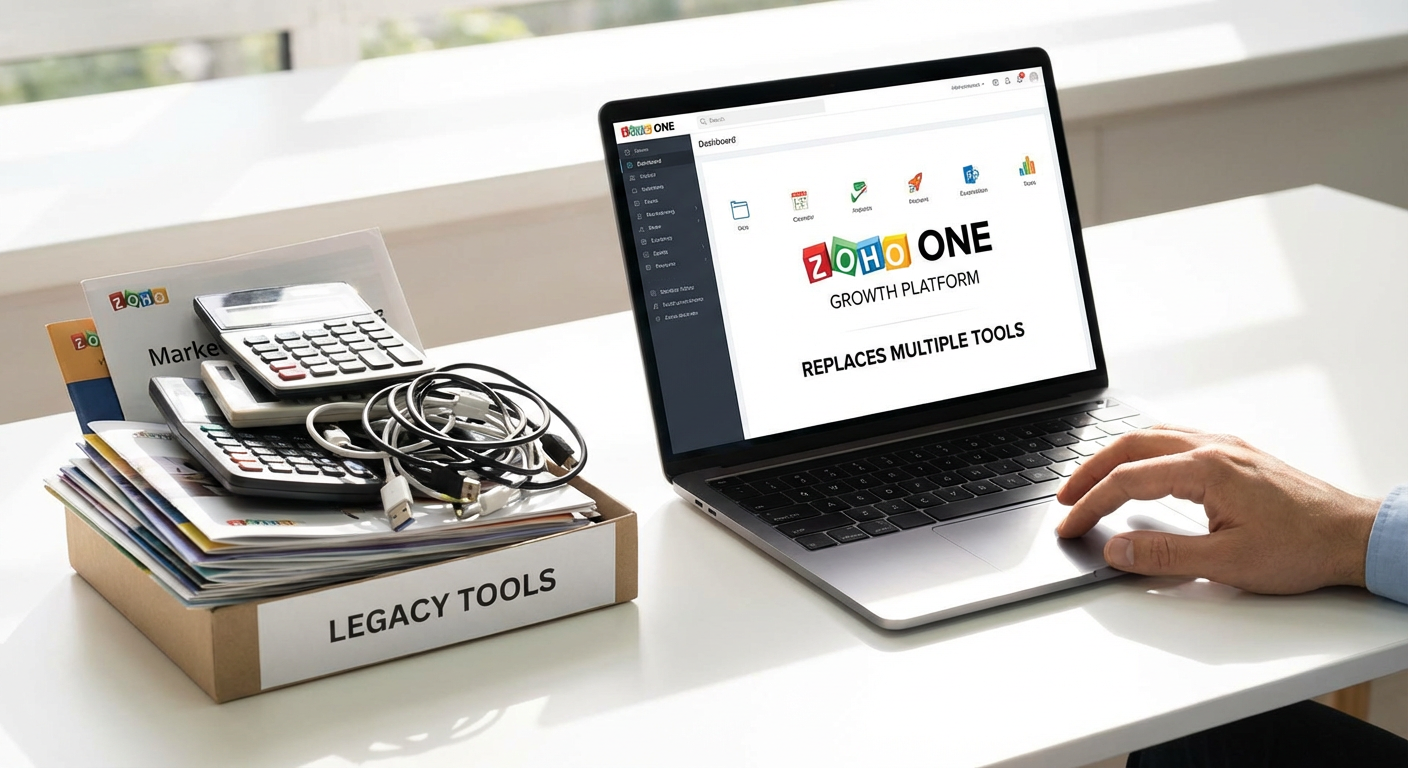
Zoho One bundles more than 45 applications into a single subscription, covering everything from email marketing and CRM to accounting and project management. The platform appeals to businesses that want a comprehensive solution without piecing together various vendors. Its pricing structure remains straightforward, charging per user rather than nickel-and-diming you for each additional feature.
The integration between Zoho apps runs deep because the same company builds everything. Data flows naturally from your CRM into email campaigns, and sales information connects directly to your analytics dashboard. This tight integration eliminates the common problem of data getting lost when information transfers between third-party tools.
- Bitrix24
Bitrix24 offers a free tier that includes CRM, task management, video calls, and a social intranet for unlimited users. The paid plans add advanced marketing automation, sales funnels, and website builders. This platform targets teams that need collaboration features alongside their marketing tools, making it particularly useful for remote organizations.
The interface can feel overwhelming at first because of how much functionality gets packed into one place. However, once you learn where everything lives, you can manage customer relationships, run email campaigns, host webinars, and track projects without opening another tab. The mobile app brings most of these features to your phone, which helps when you need to respond quickly while away from your desk.
- EngageBay
EngageBay combines marketing automation, CRM, and helpdesk software at a price point that makes sense for startups and small businesses. You can build landing pages, send email sequences, manage customer support tickets, and track deals through your sales pipeline. The platform deliberately positions itself as an affordable alternative to HubSpot, offering similar functionality without the enterprise price tag.
The email builder includes drag-and-drop editing and pre-built templates that look professional without requiring design skills. Automation workflows let you trigger actions based on customer behavior, such as sending a follow-up email when someone downloads a lead magnet. The reporting dashboard shows which campaigns drive actual revenue, helping you focus your efforts on what works.
- Sendinblue (Brevo)
Sendinblue recently rebranded to Brevo but continues offering email marketing, SMS campaigns, chat, CRM, and marketing automation in one platform. The service includes transactional email capabilities, making it suitable for e-commerce businesses that need to send order confirmations and shipping updates alongside promotional content.
What sets this platform apart is its SMS integration. You can reach customers through text messages using the same contact database and automation rules that power your email campaigns. This multi-channel approach helps businesses connect with customers who prefer texting over email. The pricing model bases costs on the number of emails sent rather than contact list size, which benefits companies with large but less active subscriber lists.
- Keap (formerly Infusionsoft)
Keap focuses on small businesses that need CRM, email marketing, and payment processing combined with strong automation capabilities. The platform excels at following up with leads automatically, ensuring nobody falls through the cracks. Built-in appointment scheduling and text messaging round out the feature set.
The automation builder uses a visual canvas where you drag and drop actions to create complex customer journeys. You can segment contacts based on their behavior, apply tags automatically, and trigger different sequences depending on how people interact with your content. Keap also includes native payment processing, allowing you to send invoices and collect payments without connecting to Stripe or PayPal.
- Kartra
Kartra provides everything needed to run an online business, including landing pages, email marketing, membership sites, video hosting, calendars, and checkout pages. The platform targets entrepreneurs selling digital products, online courses, or coaching services. You can build complete sales funnels without touching a line of code or installing WordPress plugins.
The built-in video hosting includes analytics that show exactly where viewers drop off, helping you improve your content. The membership portal lets you drip-release course content on a schedule you control. Kartra also handles affiliate management, allowing you to recruit partners who promote your products in exchange for commissions. This eliminates the need for separate tools like Teachable, Vimeo, and affiliate tracking software.
- Ontraport
Ontraport combines CRM, email marketing, landing pages, payment processing, and business automation with a focus on data organization. The platform appeals to businesses that sell both physical and digital products, offering inventory management alongside typical marketing features. The reporting capabilities run deeper than most competitors, providing detailed attribution data.
The visual campaign builder shows your entire marketing funnel on one screen, making it easy to spot bottlenecks or gaps in your follow-up sequences. Ontraport includes split testing for emails and landing pages, helping you improve conversion rates based on actual data rather than guesses. The platform also offers a built-in SMS feature and postcard mailing service for businesses that want to incorporate offline touchpoints into their marketing.
- Systeme.io
Systeme.io offers a generous free plan that includes email marketing, sales funnels, course hosting, and affiliate management for up to 2,000 contacts. The platform uses simple, straightforward interfaces that help beginners get started quickly. Despite the low price, you get features that other platforms charge hundreds of dollars per month to access.
The drag-and-drop funnel builder connects landing pages, checkout forms, and thank-you pages without requiring technical knowledge. You can create and sell online courses using the built-in learning management system, complete with quizzes and certificates. The automation rules handle common scenarios like abandoned cart recovery and post-purchase follow-ups. For solopreneurs and small teams testing business ideas, Systeme.io removes financial barriers to getting started.
- ActiveCampaign
ActiveCampaign started as an email marketing tool but expanded into a full customer experience platform with CRM, marketing automation, and sales automation. The platform excels at behavioral tracking, monitoring how contacts interact with your website, emails, and content. This data powers personalized automation sequences that adapt based on individual customer actions.
The conditional logic in automation workflows gets sophisticated, allowing you to create branching paths that respond differently depending on dozens of variables. You can score leads based on their engagement level and automatically notify your sales team when someone becomes hot. ActiveCampaign integrates with hundreds of other tools, making it a strong choice for businesses that need a central hub connecting various specialized applications.
- ClickFunnels
ClickFunnels specializes in building sales funnels that guide visitors from initial interest to purchase. The platform includes landing page builders, email automation, payment processing, and membership areas. It targets entrepreneurs and small businesses that want pre-built funnel templates they can customize rather than building everything from scratch.
The template library includes funnels for different goals like webinar registrations, product launches, book sales, and lead generation. You simply choose a template, customize the copy and images, and connect your payment processor. ClickFunnels also includes an affiliate management system and the ability to create one-click upsells that increase average order value. The platform works best for businesses selling products or services directly online rather than companies focused on lead generation for offline sales.
- GetResponse
GetResponse combines email marketing, landing pages, webinar hosting, and marketing automation in one affordable package. The webinar feature sets it apart from competitors, allowing you to host live presentations and automated replays without paying for GoToWebinar or Zoom. This makes GetResponse particularly valuable for businesses using webinars as a primary lead generation or sales tool.
The email creator includes both drag-and-drop and HTML editors, accommodating different skill levels. You can build automated workflows that trigger based on webinar attendance, website visits, or email engagement. The platform also offers e-commerce features like abandoned cart emails and product recommendations. GetResponse provides 24/7 live chat support in multiple languages, which helps when you encounter problems during a campaign launch.
- HubSpot
HubSpot offers free versions of its CRM, email marketing, forms, and basic automation tools, making it accessible for businesses just starting out. The paid tiers add advanced features like custom reporting, predictive lead scoring, and multi-touch revenue attribution. The platform scales from solo entrepreneurs to enterprise teams managing thousands of contacts.
What makes HubSpot powerful is how its marketing, sales, and service hubs share a single customer database. When a marketing email gets opened, your sales team sees that activity in the CRM. When a support ticket gets resolved, that information becomes available to marketing for segmentation. This unified view of customer interactions helps teams coordinate their efforts. HubSpot also maintains an extensive library of training resources, certifications, and best practices that help users get better results from the platform.
Consolidating your marketing tools into a single platform saves money and reduces the mental overhead of managing multiple subscriptions. Each platform on this list takes a slightly different approach, from Legiit’s focus on connecting you with service providers to HubSpot’s emphasis on unified customer data. The right choice depends on your specific needs, budget, and whether you prefer doing the work yourself or hiring experts to handle it. Start by identifying which three or four tools currently eat up most of your time and budget, then look for an all-in-one solution that replaces those specific functions. Most platforms offer free trials, so test a few options before committing to see which interface and workflow fit your team best.