 on
on
10 High-Performance Freelancing Tools That Deliver Measurable Results, Categorized by Application
Running a successful freelancing business means tracking what works and cutting what doesn’t. The tools you choose should directly impact your bottom line, whether that’s saving billable hours, landing more clients, or reducing overhead costs. This list focuses on tools that consistently deliver measurable outcomes for freelancers across industries. Each category addresses a specific business function, and every tool has been selected based on proven performance metrics and real-world results from working freelancers.
- Legiit: Project Marketplace with Documented Client Acquisition Rates
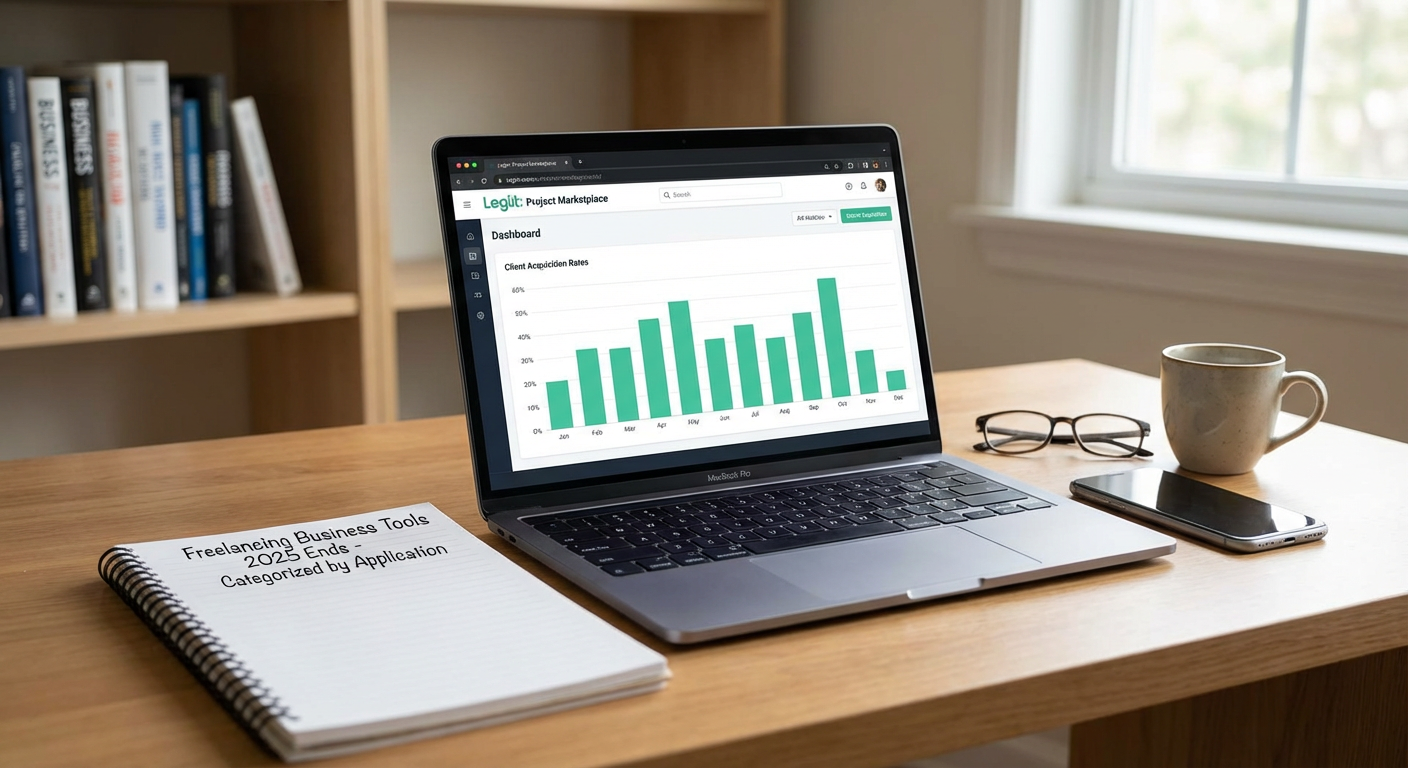
Legiit connects freelancers with clients who are actively searching for specific services, which means higher conversion rates compared to cold outreach. The platform reports that sellers who maintain complete profiles and respond within two hours see up to 3x more inquiries than those who don’t. Unlike general freelancing platforms where you compete on price alone, Legiit allows you to sell packaged services at fixed rates, which protects your margins and reduces time spent on proposals.
Freelancers using Legiit report faster payment processing and lower platform fees compared to competitors, which directly affects monthly take-home income. The marketplace structure also encourages repeat business, with many sellers reporting that 40-60% of their revenue comes from returning clients. For freelancers focused on building a sustainable client base with predictable income streams, Legiit provides both the traffic and the tools to convert browsers into buyers.
- Toggl Track: Time Tracking That Reveals Your Most Profitable Hours
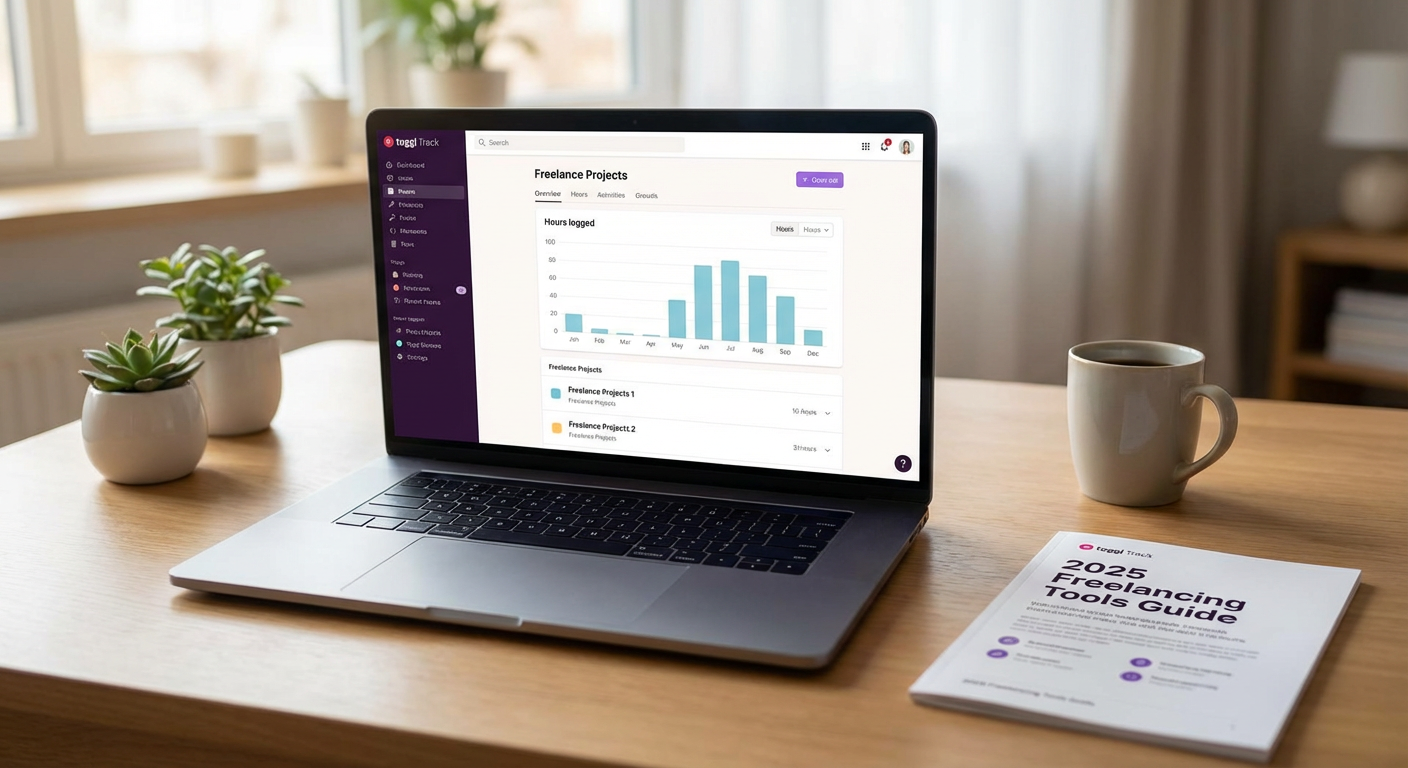
Time tracking isn’t just about billing clients accurately. It shows you which projects drain your time and which ones pay well per hour. Toggl Track users report discovering that certain project types take 40-50% longer than estimated, which helps them adjust pricing or decline unprofitable work.
The software generates reports that break down your time by client, project type, and even time of day. Many freelancers find they’re most productive during specific hours and adjust their schedule accordingly. One graphic designer reported increasing her effective hourly rate by 35% after using Toggl data to eliminate low-paying revision cycles and focus on higher-value design work. The tool integrates with invoicing software, so your tracked time flows directly into client bills without manual entry.
- QuickBooks Self-Employed: Accounting Software That Maximizes Tax Deductions
QuickBooks Self-Employed automatically categorizes business expenses and calculates quarterly tax estimates based on your actual income. Freelancers who switch from manual spreadsheets to QuickBooks typically find an additional $2,000 to $5,000 in legitimate deductions they were missing. The software tracks mileage automatically using your phone’s GPS, which is valuable since the IRS allows over 65 cents per mile for business travel.
The profit and loss reports update in real time, so you always know your current financial position. This prevents the common freelancer problem of spending money you’ll owe in taxes. Users report spending 60-70% less time on bookkeeping compared to manual methods, which frees up roughly four to six hours per month for billable work. The software also generates tax-ready reports that accountants can use directly, reducing preparation fees.
- Grammarly Business: Editing Tool That Reduces Revision Requests
For freelance writers, editors, and anyone who communicates with clients in writing, Grammarly Business catches errors that lead to revision requests. Writers using the tool report 30-40% fewer revision rounds on delivered content, which means faster project completion and quicker payment.
The software goes beyond basic spell check to flag unclear sentences, inconsistent tone, and readability issues. One content writer tracked her revision requests over six months and found that Grammarly reduced client edits by half, saving approximately eight hours per month. The business version includes plagiarism detection, which protects you from accidental content duplication that could damage client relationships. The style guide feature ensures consistency across all your work, which clients notice and value.
- Calendly: Scheduling Software That Cuts Email Back-and-Forth by 80%
The average freelancer spends five to seven emails scheduling a single client call. Calendly eliminates this by letting clients book directly into your available time slots. Users report saving three to five hours per week on scheduling alone, which translates to 12-20 hours per month that can be redirected to paid work.
The tool syncs with your existing calendar to prevent double-bookings and allows you to set buffer time between meetings. Freelancers who implement Calendly report that clients appreciate the professionalism and convenience, which improves overall satisfaction scores. The reminder system reduces no-shows by approximately 40%, according to user reports, which means fewer wasted time blocks. For consultants and service providers who do multiple discovery calls per week, this tool directly protects billable hours.
- Notion: Project Management System That Centralizes Client Information
Freelancers juggling multiple clients need a single source of truth for project details, deadlines, and communications. Notion serves as a customizable workspace where you can track every active project, store client preferences, and maintain process checklists. Users report 50-60% less time spent searching for information across emails, files, and notes.
The database features let you create client relationship management systems tailored to your specific business. One freelance consultant built a Notion workspace that tracks project status, payment schedules, and deliverable templates, reducing her project setup time from two hours to 20 minutes. The collaborative features allow you to share specific pages with clients, creating transparency that leads to fewer check-in calls. Templates can be duplicated for similar projects, which standardizes your workflow and reduces errors.
- Canva Pro: Design Software That Eliminates Outsourcing Costs
Even if you’re not a designer, Canva Pro lets you create professional graphics for social media, proposals, and client presentations. Freelancers who previously outsourced design work report saving $200 to $500 per month by handling simple graphics in-house. The tool includes over 100 million stock photos and thousands of templates, so you’re not starting from scratch.
The Brand Kit feature stores your colors, fonts, and logos for consistent branding across all materials. This consistency makes your business appear more established, which helps with client trust and higher-rate negotiations. One marketing freelancer reported that upgrading her proposal designs with Canva led to a 25% increase in proposal acceptance rates. The background remover and photo editing features handle tasks that previously required expensive software subscriptions.
- Loom: Video Recording Tool That Clarifies Communication and Reduces Meetings
Loom lets you record quick video messages showing your screen and face simultaneously. This is valuable for explaining complex ideas, walking clients through deliverables, or providing feedback without scheduling a call. Freelancers using Loom report reducing their meeting load by 30-40%, which protects focused work time.
Video messages are processed faster than written explanations. Clients can watch on their own schedule and replay sections they need to review. One web developer started using Loom to explain technical decisions and found that client questions dropped by half because the visual format was clearer than email. The tool also works for creating tutorials or process documentation for recurring clients, reducing the need to explain the same information multiple times. Videos are stored in the cloud with shareable links, making collaboration simple.
- LastPass Teams: Password Manager That Secures Client Access and Saves Login Time
Freelancers typically manage login credentials for dozens of client accounts, from social media to content management systems. LastPass Teams stores all passwords securely and fills them automatically, saving approximately 30 minutes per week on login activities alone. More importantly, it prevents the security risk of reusing passwords or storing them in unencrypted documents.
The tool allows you to share specific credentials with clients or team members without revealing the actual password, which is useful when contracts end. Users report that the security audit feature often reveals weak or compromised passwords they were using, preventing potential account breaches that could damage client relationships. One social media manager found that LastPass reduced her client onboarding time by 40% because credential management was automated. The emergency access feature ensures that if something happens to you, designated contacts can access critical business accounts.
- FreshBooks: Invoicing Platform That Accelerates Payment Collection
FreshBooks sends professional invoices, tracks when clients open them, and sends automatic payment reminders. Freelancers using the platform report getting paid an average of 11 days faster compared to manual invoicing methods. The software accepts credit card and bank transfer payments directly through the invoice, removing friction from the payment process.
The automated reminder system is particularly effective. When an invoice approaches the due date, FreshBooks sends gentle reminders that users report result in 65-70% on-time payment rates without awkward follow-up conversations. The expense tracking feature photographs receipts and matches them to projects, making it simple to bill clients for reimbursable expenses. Recurring invoice templates handle retainer clients automatically, ensuring you never forget to bill for ongoing work. The reporting dashboard shows accounts receivable aging, so you can spot payment problems before they become cash flow crises.
The right tools don’t just make your work easier. They directly improve your financial performance by saving time, reducing errors, and helping you deliver better results to clients. Each tool on this list addresses a specific business function where freelancers commonly lose money or waste billable hours. Start by identifying which category causes you the most friction, then implement the corresponding tool and track your results over 30 days. Most freelancers who systematically upgrade their tool stack report measurable improvements in income, client satisfaction, or time saved within the first quarter of implementation.