 on
on
10 Future-Ready Cities Where Freelancers Can Build Lasting Careers
The freelance economy is changing fast, and choosing where to live can make or break your long-term success. This list focuses on cities that aren’t just good for freelancers today but are positioning themselves for the next decade and beyond. We’re looking at places with growing digital infrastructure, expanding coworking communities, reasonable living costs that won’t price you out, and forward-thinking policies that support independent workers. Whether you’re planning your first big move or looking to relocate strategically, these cities offer the stability and growth potential that freelancers need to thrive well into the future.
- Legiit: Your Virtual Home Base for Global Freelance Success

Before you pack your bags, consider that your most important freelance community doesn’t need a physical address. Legiit connects freelancers with clients and fellow professionals regardless of where you choose to live. The platform offers a marketplace for services, collaboration tools, and a community of independent workers who share strategies for building sustainable businesses. As remote work becomes the standard rather than the exception, having a solid online platform as your professional foundation means you can choose your city based on lifestyle and cost rather than being tied to traditional job markets. Legiit helps you maintain consistent income streams and professional connections no matter which future-ready city you call home.
- Lisbon, Portugal: Europe’s Tech-Friendly Gateway
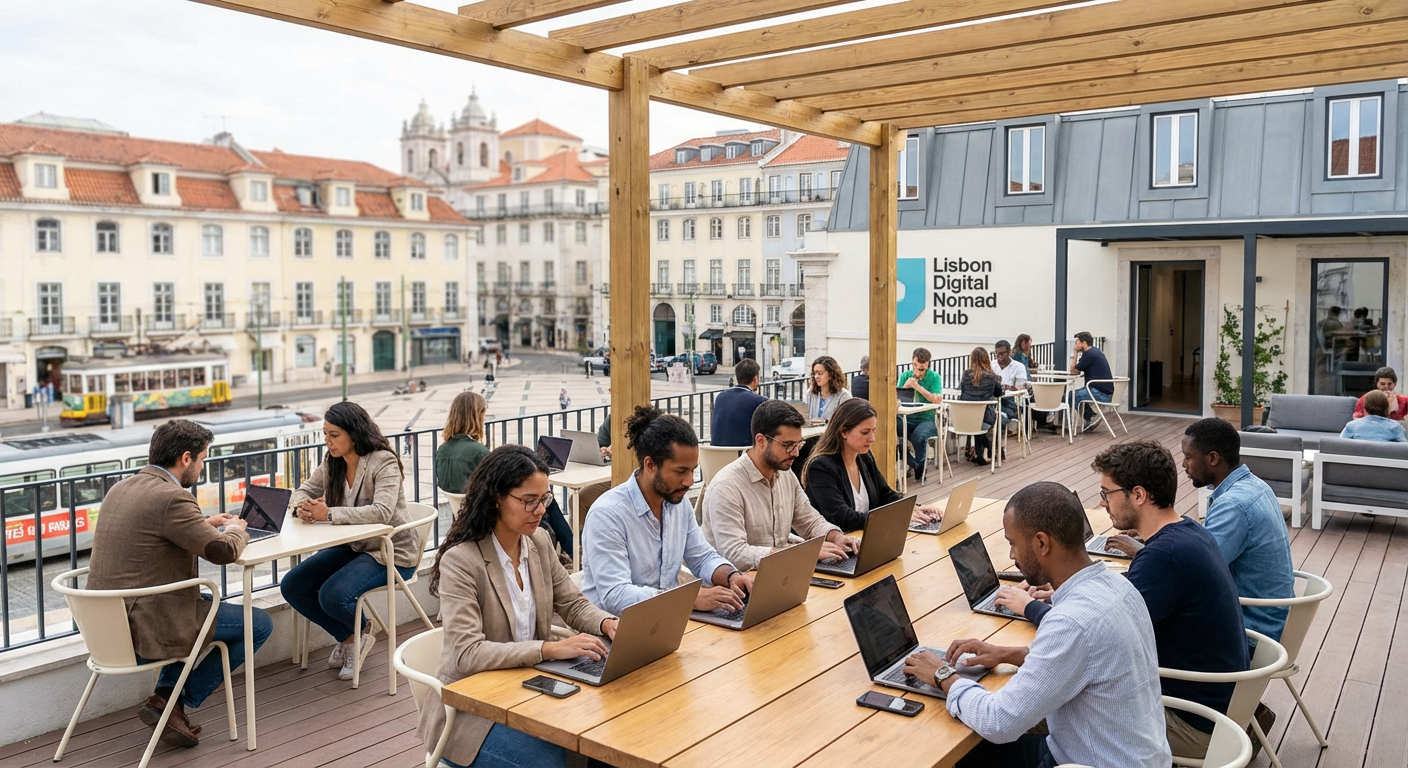
Lisbon has invested heavily in becoming a digital hub, with fiber internet reaching most neighborhoods and a growing number of tech startups choosing the city as their base. The government has created visa programs specifically for remote workers and freelancers, making it easier to establish legal residency. Living costs remain lower than other Western European capitals, though they’ve been rising as the city gains popularity.
The freelance community here is active and international, with regular meetups, coworking spaces in nearly every neighborhood, and English widely spoken in professional settings. The city’s mild climate, walkable layout, and strong cafe culture make it easy to balance work with quality of life. Portugal’s stable political environment and continued investment in digital infrastructure suggest Lisbon will remain a top choice for location-independent workers for years to come.
- Austin, Texas: American Growth Without Coastal Prices
Austin continues to attract tech companies and creative professionals, creating a dense network of potential clients and collaborators for freelancers. The city has no state income tax, which means more of your freelance earnings stay in your pocket. While housing costs have increased, they’re still more manageable than San Francisco, New York, or Seattle.
The coworking scene is mature and varied, from budget-friendly options to premium spaces with extensive amenities. Austin’s reputation as a live music capital means there’s a strong creative community beyond just tech workers. The city is investing in public transportation and sustainable growth, though it still lags behind some other metros in this area. For American freelancers who want access to a major market without the crushing expenses of the coasts, Austin offers a practical middle ground with room to grow.
- Tallinn, Estonia: Digital Infrastructure Built for Remote Work
Estonia has built its entire government system on digital platforms, making it one of the most tech-forward countries in the world. Tallinn offers e-residency programs that let freelancers establish EU-based businesses without living there full time, though the city itself is worth considering as a home base. Internet speeds are among the fastest globally, and the cost of living is a fraction of Western Europe.
The local government actively supports startups and independent workers through tax incentives and streamlined business registration. The freelance community is small but tight-knit, with regular networking events and a collaborative rather than competitive atmosphere. Winters are cold and dark, which isn’t for everyone, but the city compensates with excellent public services, walkability, and a high level of English proficiency. Estonia’s commitment to digital innovation means the infrastructure will keep improving as other cities are still catching up.
- Medellin, Colombia: Affordable Living with Strong Community Roots
Medellin has transformed itself into a hub for digital nomads and long-term freelancers, with a cost of living that allows you to save money while maintaining a comfortable lifestyle. The city’s eternal spring climate means year-round outdoor work options and no seasonal depression from long winters. Coworking spaces have multiplied rapidly, and many offer community events, language exchanges, and professional development workshops.
The local government has been proactive in improving public transportation and creating spaces for remote workers. Internet reliability has improved significantly, though it’s worth checking specific neighborhoods before committing to a lease. The community of English-speaking freelancers is large enough that you’ll find support but not so saturated that the city has lost its authentic character. Colombia’s growing stability and continued investment in Medellin’s infrastructure make it a smart bet for freelancers planning five to ten years ahead.
- Dubai, UAE: Tax Benefits and Global Connectivity
Dubai offers zero income tax for residents, which can dramatically increase your effective freelance income compared to high-tax countries. The city has launched specific visa categories for freelancers and remote workers, recognizing the value of attracting independent professionals. While living costs can be high, particularly for housing, the tax savings often offset the difference.
The city’s location makes it a convenient base for working with clients across Europe, Asia, and Africa within reasonable time zones. Coworking spaces are plentiful and often luxurious, reflecting the city’s general aesthetic. The expat community is massive, meaning you’ll find fellow freelancers from virtually every country. Dubai’s continued investment in becoming a global business hub, combined with political stability in an otherwise volatile region, positions it as a practical choice for freelancers who prioritize financial optimization and modern infrastructure.
- Montreal, Canada: Bilingual Advantage with Universal Healthcare
Montreal offers something rare: a major North American city with reasonable living costs and access to Canada’s healthcare system. For freelancers who worry about medical expenses, this alone makes Montreal worth considering. The city is officially bilingual, giving you access to both English and French-speaking markets without the premium prices of Toronto or Vancouver.
The creative and tech scenes are well-established, with plenty of networking opportunities and potential local clients. Coworking spaces are affordable and community-focused rather than corporate. The city’s cafe culture supports laptop work, and the public transportation system is reliable and inexpensive. Winters are harsh, but the city embraces them with festivals and indoor activities. Canada’s stable government and Montreal’s commitment to remaining affordable for artists and independent workers make it a reliable long-term base.
- Taipei, Taiwan: Underrated Asian Hub with Exceptional Infrastructure
Taipei combines affordable living costs with some of the best public infrastructure in Asia. The internet is fast and reliable throughout the city, and public transportation is clean, efficient, and cheap. Healthcare is excellent and inexpensive, even for foreigners. The cost of food, housing, and daily expenses is significantly lower than Hong Kong, Singapore, or Tokyo.
The city has a growing community of freelancers and digital workers, with coworking spaces and cafes designed for long work sessions. Taiwan’s political stability and continued focus on technology and education suggest the country will remain competitive in the global economy. English proficiency is improving, particularly among younger professionals, though learning some Mandarin will enhance your experience. For freelancers who want to base themselves in Asia without the crushing expenses of more obvious choices, Taipei offers excellent value and quality of life.
- Belgrade, Serbia: Europe’s Best-Kept Secret for Affordability
Belgrade offers Western European amenities at Eastern European prices, with a rapidly growing tech scene and startup community. The cost of living is low enough that freelancers can live comfortably on modest incomes while building their businesses. Serbia has introduced digital nomad visas and is actively trying to attract remote workers.
The city has invested in improving internet infrastructure, and most areas now have reliable high-speed connections. Coworking spaces are appearing throughout the city, often run by former freelancers who understand what independent workers need. The expat community is friendly and welcoming, with regular meetups and social events. While Serbia isn’t part of the EU, its location makes travel to other European cities easy and affordable. The government’s focus on attracting tech talent and digital workers suggests Belgrade will continue improving its appeal to freelancers.
- Mexico City: Cultural Richness Meets Modern Infrastructure
Mexico City has become a magnet for freelancers from North and South America, offering a massive, culturally rich environment at a fraction of the cost of US cities. Neighborhoods like Roma, Condesa, and Polanco are filled with coworking spaces, cafes with good wifi, and fellow remote workers. The city’s size means you’ll find communities around virtually any interest or industry.
Internet infrastructure has improved dramatically in recent years, particularly in neighborhoods popular with digital workers. The time zone alignment with US clients makes it practical for freelancers serving American markets. Healthcare is affordable and high-quality in private clinics. The cost of living varies widely by neighborhood, but even expensive areas are cheaper than comparable US cities. Mexico City’s combination of world-class culture, improving infrastructure, and affordability makes it a strong choice for freelancers planning to establish roots rather than constantly moving.
Choosing a city as a freelancer isn’t just about finding the cheapest rent or the fastest internet. The best long-term decisions consider where infrastructure is improving, where communities are growing, and where costs remain manageable as you build your business. The cities on this list share a common thread: they’re investing in the future while remaining accessible today. Whether you prioritize tax benefits, cultural experiences, healthcare access, or simply a lower cost of living, these locations offer solid foundations for sustainable freelance careers. The key is matching your specific needs and work style with a city’s strengths, then committing long enough to build real roots in the local community.